[This article is part of the “Foraging Resources” series]
Preserving wild foods is a timeless skill that goes hand in hand with foraging. When nature provides an abundance of gourmet ingredients, learning how to store and extend their use is essential.
From drying and fermenting to pickling and creating alcohol infusions, preservation techniques let you enjoy your finds long after the foraging season ends.
This carefully curated list of preserving books will guide you through this art, offering techniques and inspiration for anyone looking to master everything from classic jams to modern ferments.
List of Recommended Preserving Books for Wild Food
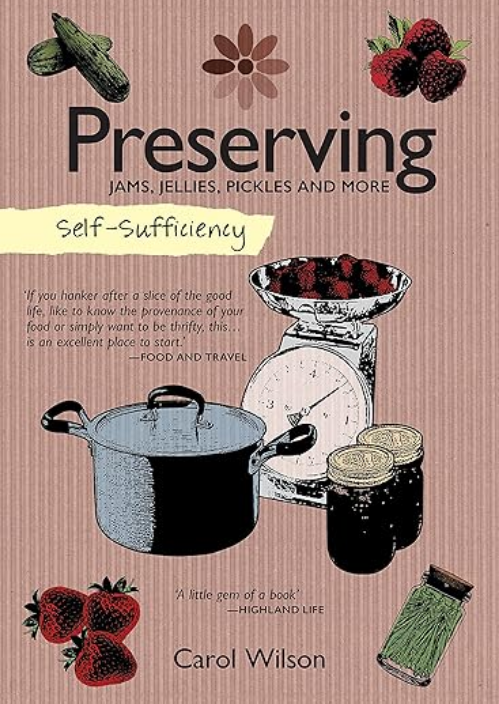
Part of the Self-Sufficiency series, this book is a fantastic guide to preserving the wild foods you forage alongside allotment staples.
Covering jams, jellies, marmalades, fruit butters, cheeses, chutneys, and pickles, it offers 60 delicious recipes with straightforward instructions that are easy to follow and reliably successful.
The content is presented in clear, accessible language, making it ideal for beginners.
Packed with expert tips on ingredients, techniques, and storage, the book encourages you to puree, pickle, bottle, or salt your finds to enjoy them year-round.
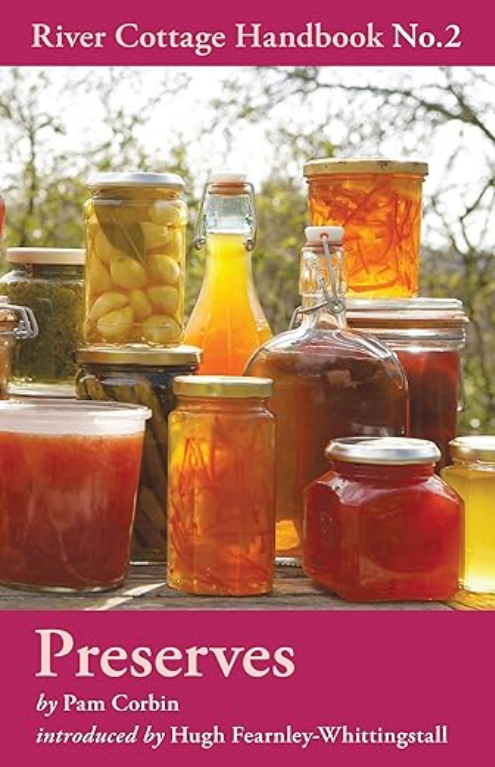
This book offers up to 75 recipes for making jams, jellies, pickles, chutneys, liqueurs, and sauces using local produce and wild plants.
Each recipe is accompanied by tempting variations and beautiful full-colour photographs, making it as much a visual delight as a practical guide.
The book goes beyond just recipes, explaining the history, science, and fundamental processes of preserving.
The inclusion of seasonal tables and process flow charts makes it a comprehensive reference, while the directory of equipment and useful addresses adds to its practicality.
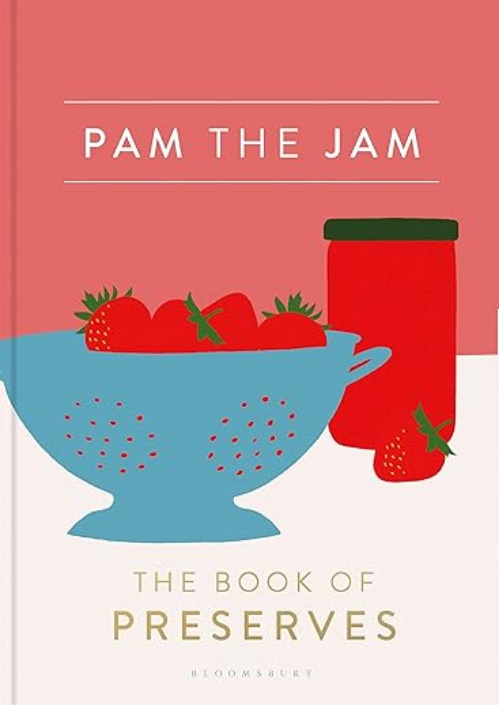
This book features over 100 tried-and-tested recipes for making delicious preserves. I particularly love Pam Corbin’s reduced-sugar recipes, which let the natural flavours of the fruits and vegetables truly shine.
Clear, easy-to-follow, and packed with inspiration, this book encourages creativity in the kitchen, making it perfect for both beginners and experienced preserve makers alike.
With concise instructions and practical tips on everything from utensils to ingredients, it’s an essential guide for anyone passionate about crafting jams, curds, and preserves.
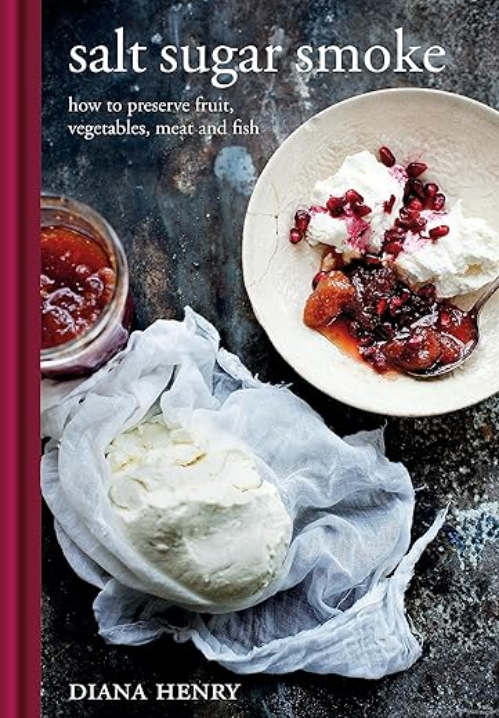
This comprehensive book offers a fresh approach to preserving, with recipes for jams, chutneys, smoked meats, cordials, and more.
It provides expert advice on techniques, clear instructions, and helpful tips on equipment and sourcing ingredients.
The book explains why certain methods are essential and includes background on each process. Beautifully illustrated, it also covers shelf life, usage, and how to get creative with preserving.
Ideal for anyone wanting to explore preserving with easy-to-follow recipes and insightful guidance, however be aware it’s not focused on wild ingredients.
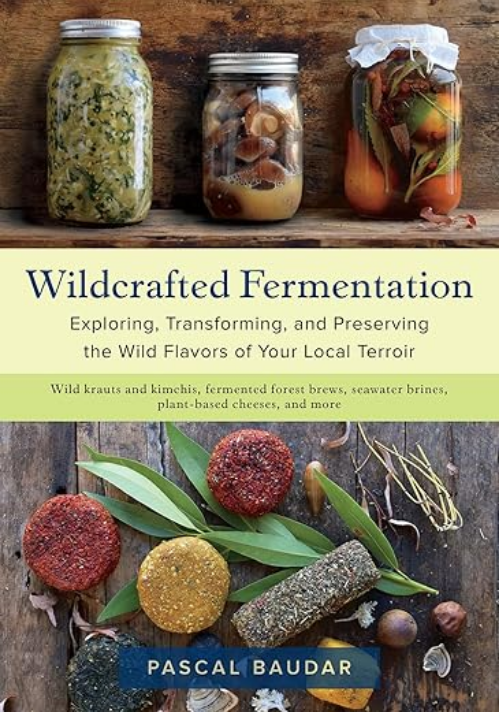
In this book, Pascal Baudar combines his deep knowledge of terroir with his passion for foraging to explore fermentation using wild and cultivated plants he finds in California.
The book offers over 100 plant-based, vegan-friendly recipes, complete with step-by-step photos illustrating foraging, preparation, and fermentation techniques.
With its clear layout and helpful visuals, the book takes readers from basic techniques to more advanced, creative dishes.
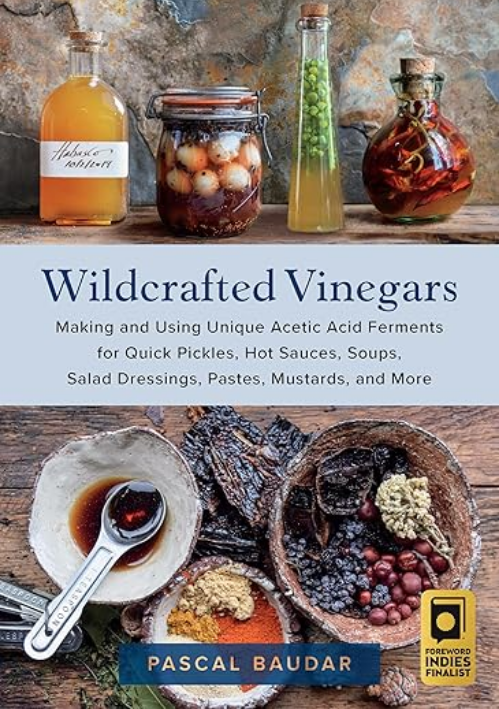
This book is a comprehensive guide to acetic acid fermentation.
Offering over 100 recipes that highlight the flavours of wild-gathered ingredients like herbs, fruits, mushrooms, and even wood.
Baudar expertly explains the process behind creating gourmet-quality vinegars, making them accessible for anyone interested in foraging or enhancing their culinary skills.
The book is informative, well-structured, and easy to follow, with a friendly tone and helpful tips throughout.
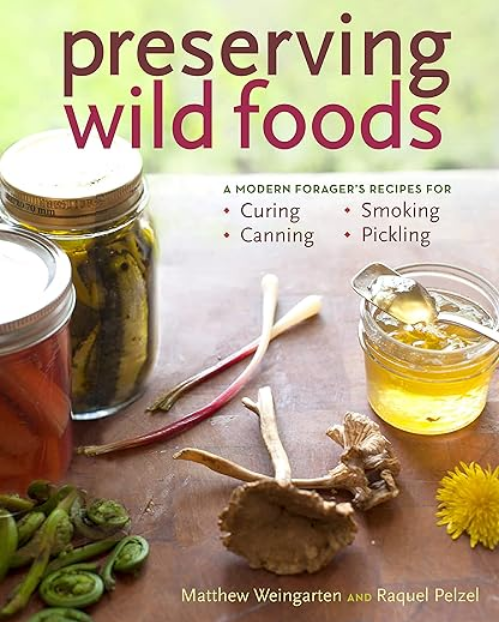
This book invites you to explore how wild ingredients can be transformed into delicious foods using preserving techniques like canning, smoking, curing, and pickling.
The authors combine practical guidance with personal and historical insights, leaving readers feeling both inspired and informed.
While the high-quality photographs and illustrations are somewhat sparing, they complement the text beautifully.
Though American in focus, making some produce less relevant to the UK, it remains an excellent source of inspiration.
Final Thoughts
These books offer a wealth of knowledge to help you master the art of preserving wild foods, ensuring you can enjoy your foraged treasures long after the season ends.
From simple jams to complex ferments, each guide provides the tools and inspiration you need to create lasting flavours.
So, pick up a book, get preserving, and turn your wild finds into delicious, year-round staples. Happy preserving!
*Disclaimer: This post has affiliate links. If you buy through them, I might earn a small commission—at no extra cost to you. Rest assured, I only recommend good books I trust and have used. Your support means a lot. Thanks!