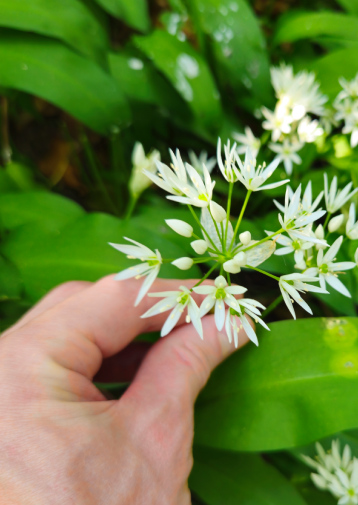
About Flatcap Forager
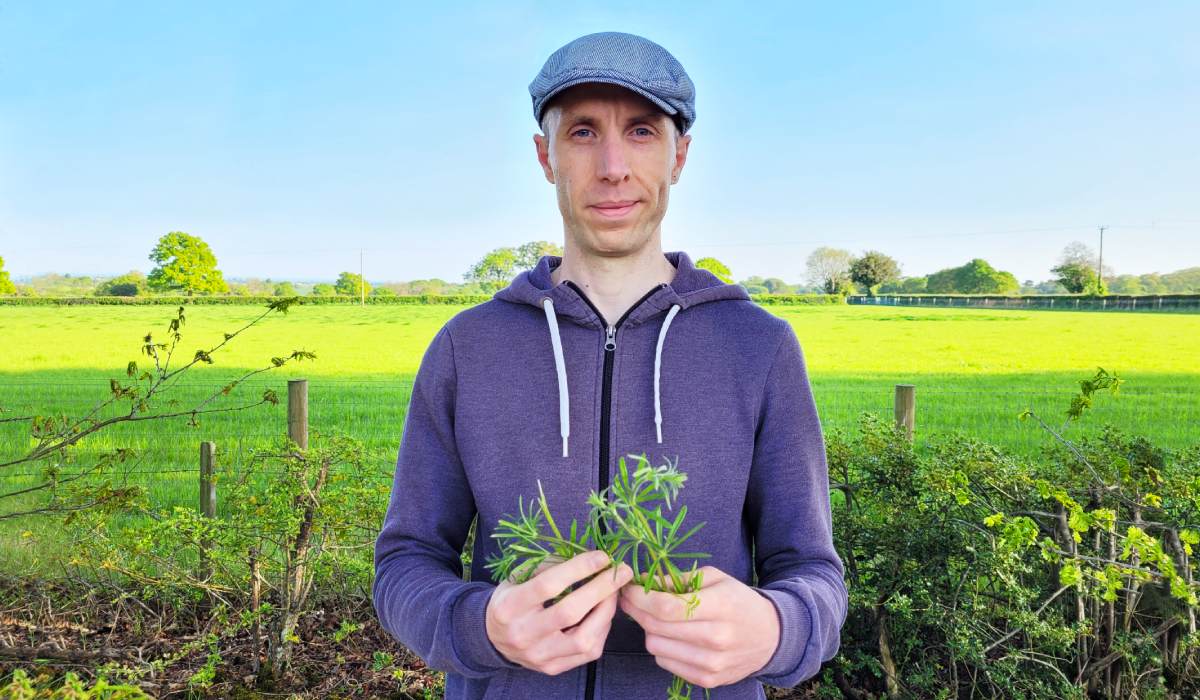
Hola! This is Alvaro speaking 🙂
I teach people about wild plants, run foraging walks, and spend rather a lot of time looking at things growing by the side of the path.
My aim is to help you become familiar with the plants around you.
Not just recognise a photograph. Not just remember a name. And not have to reach for your phone every time you see something interesting.
Because I learnt the hard way that knowing a plant is very different from knowing about a plant.
How I got here
I grew up in Spain, where picking food from the landscape was simply part of being outdoors.
I picked blackberries for smoothies, went mushroom hunting with my father, and gathered figs, olives, pine nuts and wild herbs.
I didn’t think of any of this as a special skill. It was just something you did when you knew the places around you.
Then I moved to the UK.
The plants were different. The names were unfamiliar. The knowledge that had once felt natural suddenly wasn’t much use. I didn’t even know how to tell wild garlic from a bluebell.
So I had to start learning again.
I had to learn British plants from scratch, and in doing so I discovered something that changed the way I think about learning plants.
You don't really learn a plant by memorising it
At first, I thought becoming better at foraging meant learning more species.
More names. More photographs. More facts.
But the plants I actually remembered were the ones I had spent time with.
- I knew where they grew.
- I recognised their smell.
- I noticed the shape of their leaves without having to think about it.
- I had seen them change through the seasons.
- I had handled them, returned to them and compared them with plants growing nearby.
They had become familiar.
That is a very different kind of knowledge from remembering a picture on a screen.
And it is the kind of knowledge I want to help other people build.
One plant at a time
One of the simplest ways I teach is through what I call One-Plant Immersion.
Instead of trying to learn a long list of edible species, spend time getting to know one plant properly:
- What does it look like at different stages
- How does it smell?
- What does it feel like?
- Where does it grow?
- When does it appear?
- What changes as the season moves on?
- What could you confuse it with?
- What parts are useful?
- When is it abundant enough to harvest?
- And when is the sensible thing to leave it alone?
The more questions you ask, the more familiar the plant becomes.
Eventually, you stop having to “identify” it.
You simply recognise it.
Observe first. Harvest later.
Foraging is often presented as a hunt for something to put in your basket.
That’s not how I see it.
Harvesting is only one part of knowing a plant.
Sometimes the best thing you can do is leave it where it is.
- Perhaps you’re not completely certain.
- Perhaps there isn’t enough of it.
- Perhaps you want to come back and see how it changes.
Learning to recognise when to pick, when to wait and when to walk away is part of becoming a responsible forager.
Confidence doesn’t mean never having doubts.
It means knowing what you know, recognising what you don’t, and being comfortable leaving something alone when you’re not sure.
What I believe
My work is guided by a few simple ideas.
Attention comes first.
Before naming a plant, notice it.
Familiarity beats memorisation.
A plant you know well is more useful than fifty plants you vaguely recognise.
Connection comes before extraction.
Know the place before you start taking from it.
Safety comes from understanding.
Good identification is built through observation, context and practice, not guesswork.
Take what you need.
Wild food is part of a living landscape, not an unlimited supermarket.
These ideas shape my walks, writing and teaching.
What I do
Flatcap Forager is my way of sharing this approach with other people.
I run guided foraging walks where we learn plants where they actually grow, with time to look closely, handle them, ask questions and develop confidence.
I also write about wild food, seasonal plants, identification, responsible harvesting and the less obvious things that make foraging worth doing.
And through my newsletter, I share what I’m noticing and learning as the seasons move through the landscape.
I’m building Flatcap Forager around a simple idea: good plant knowledge shouldn’t just live in books, apps and photographs.
It should live in your memory, your senses and your experience of the places you know.
Not another library of information, but a way of learning that stays with you.
If you'd like to keep learning
By joining my newsletter, I’ll regularly bring you something worth noticing: a plant to look for, a seasonal change, a useful identification tip, a wild food to try, or a story from the landscape.
Just one more opportunity to look a little closer, learn something useful, and become more familiar with the plants around you.
It’s free to join, and you’re always free to leave if it’s not for you.
Join The Free Newsletter
NEWSLETTER: Forage with Confidence & Purpose
Seasonal plant notes, practical ID tips and stories from the field, sent straight to your inbox. Learn to notice more, remember plants and forage with confidence.
No spam. You agree to our Terms & Conditions and Privacy Policy