[This article is part of the “Foraging Resources” series]
Fermenting is a fun and rewarding way to preserve wild foods, transforming them into delicious and nutritious treats.
From tangy fermented vegetables packed with probiotics to trendy kombucha, and even brewing your own mead, wine, or beer, fermentation brings new life to your foraged finds.
While the process may seem intimidating at first, it’s easier than you think—and the best way to get started is by diving into some expert books on the subject.
In this article, I’ll share my top picks for fermentation books that will help you begin your journey.
List of Recommended Wild Fermenting Books
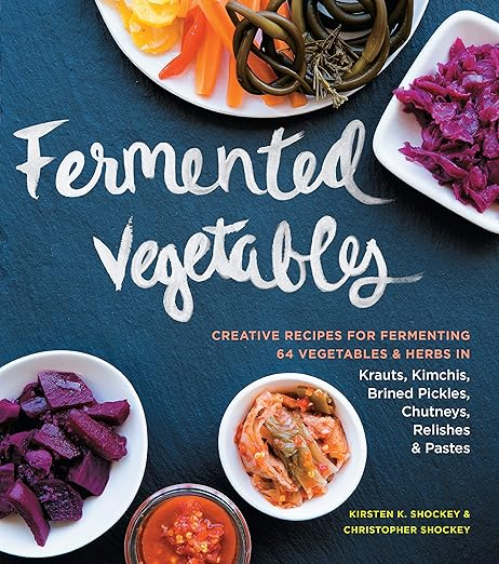
Fermented Vegetables is a go-to reference for beginners, offering practical, clear, and comprehensive guidance on the art of fermentation.
The book provides step-by-step recipes, supported by photographs that make the process easy to follow. It introduces lacto-fermentation science and covers basics like making sauerkraut, kimchi, and pickles.
The author offer expert advice on equipment and tackle common beginner questions. It explains the science behind each technique, ensuring you understand the “why” as well as the “how.”
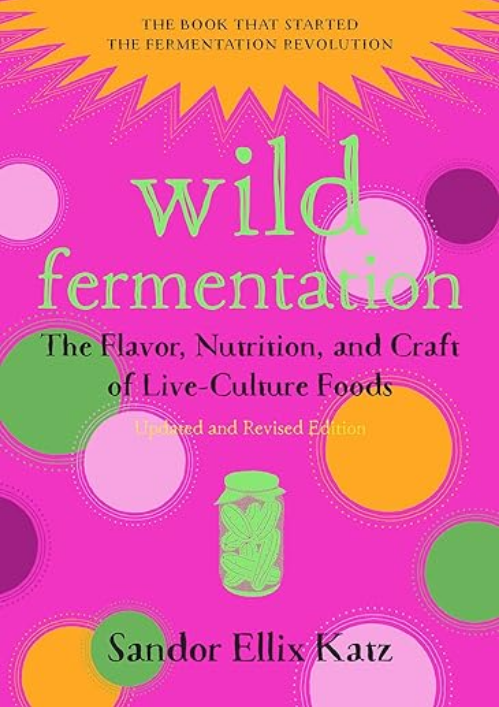
This book serves as a perfect introduction to fermentation for beginners, presenting the craft in an approachable and enjoyable way.
With its conversational tone, it blends practical guidance with engaging anecdotes, cultural history, and personal experiences.
The straightforward recipes cover common fermented foods and beverages, making the process both accessible and fun.
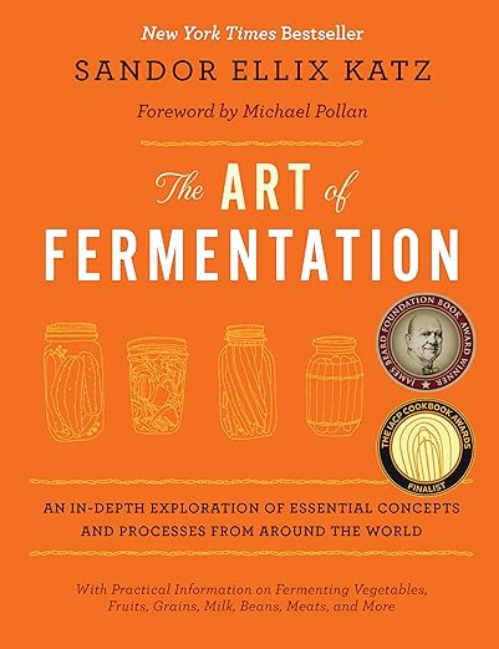
Sandor Katz’s second book on fermentation is a must-have for seasoned fermenters.
Often referred to as the “fermentation bible”, it’s packed with in-depth information, making it ideal for those looking to expand their knowledge.
This comprehensive guide covers the history, techniques, and science behind fermentation, with recipes for everything from vegetables and meads to wines, beers, ciders, dairy, and even fermented meats and eggs.
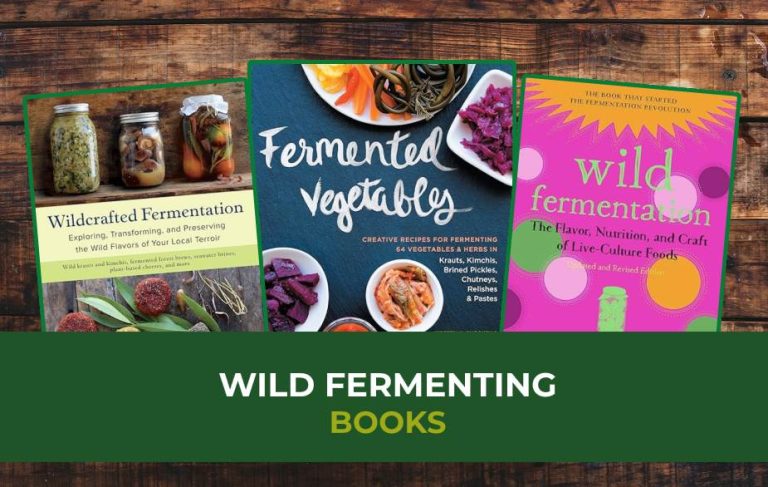
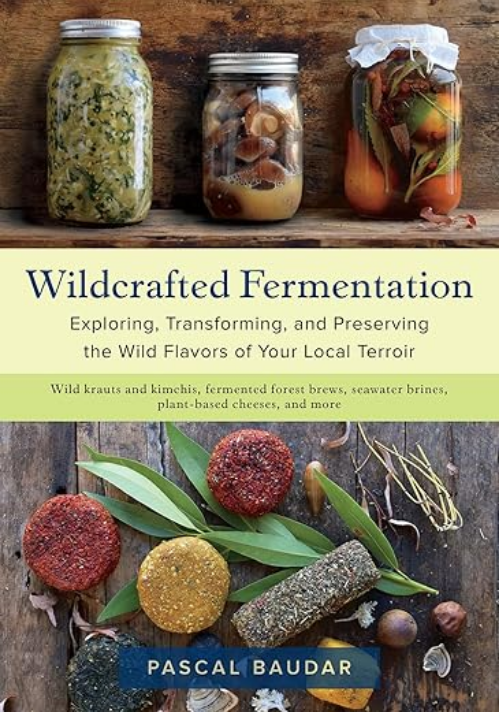
In this book, Pascal Baudar combines his deep knowledge of terroir with his passion for foraging to explore fermentation using wild and cultivated plants he finds in California.
The book offers over 100 plant-based, vegan-friendly recipes, complete with step-by-step photos illustrating foraging, preparation, and fermentation techniques.
With its clear layout and helpful visuals, the book takes readers from basic techniques to more advanced, creative dishes.
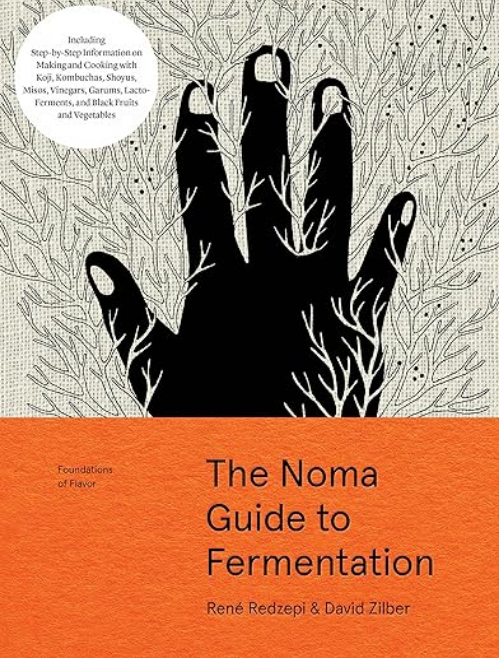
This book, a comprehensive guide from the renowned Noma restaurant, is perfect for advanced fermenters eager to explore the world of gourmet fermented foods.
It covers a wide range of recipes with detailed, step-by-step instructions and stunning photography, making complex processes approachable, while the clear explanations delve deeply into the techniques.
Ideal for those wanting to master experimental fermenting, this book is both a profound culinary resource and a beautiful visual journey.
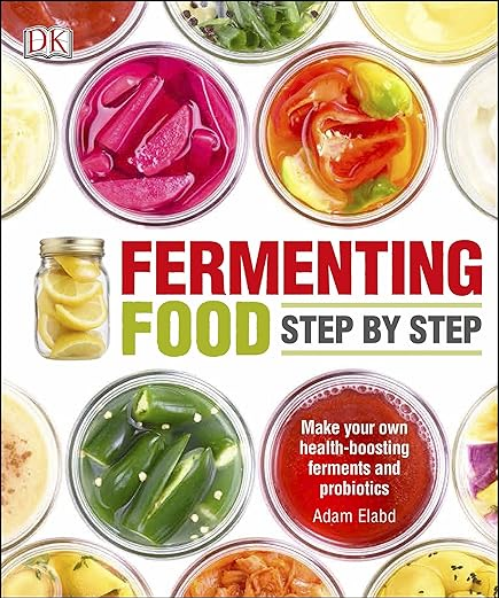
This book features over 80 recipes, guiding you through the process of fermenting a wide range of ingredients.
It covers the basics of vegetable fermentation and provides valuable tips on safe practices to avoid common issues. The book includes comprehensive, step-by-step instructions, with clear photos to help you along the way.
The book is easy to follow, detailed, and informative, delving into the history of fermentation and its health benefits.
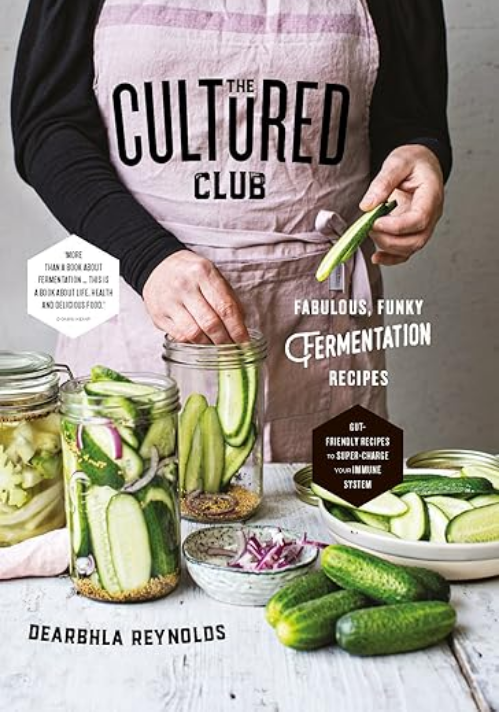
The Cultured Club introduces fermentation with a brief history and tips for gut health, followed by easy-to-follow techniques using simple ingredients.
It’s packed with recipes for sauerkraut, kimchi, kefir, breads, nut cheeses, and more. The beautifully photographed book is written in a conversational style, making fermentation approachable, creative, and flexible.
Final Thoughts
Fermenting wild foods is an incredible way to preserve their flavours and unlock their health benefits.
With the right guidance, you can transform simple ingredients into probiotic-rich creations, delicious drinks, and unique culinary staples.
The books in this article provide the knowledge and inspiration you need to start fermenting with confidence. So grab a guide, gather your wild ingredients, and enjoy the exciting journey of fermentation. Happy fermenting!
*Disclaimer: This post has affiliate links. If you buy through them, I might earn a small commission—at no extra cost to you. Rest assured, I only recommend good books I trust and have used. Your support means a lot. Thanks!