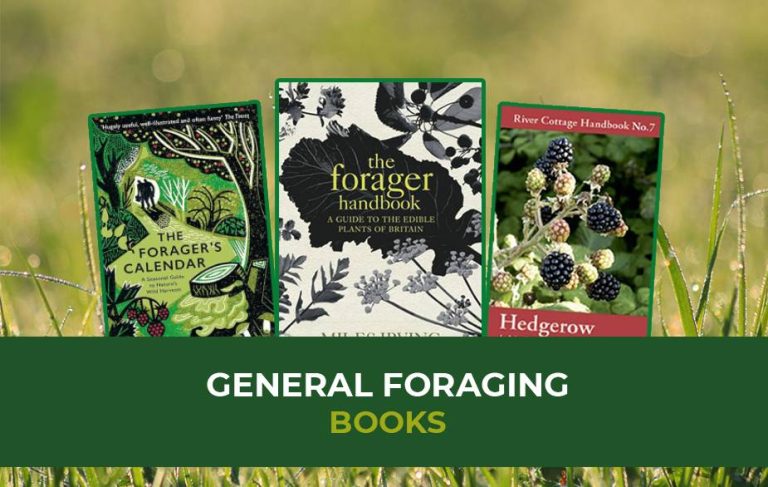
[This article is part of the “Foraging Resources” series]
Over the years, I’ve built up a solid collection of foraging and wild food books that have helped me expand my knowledge of edible species across the UK, Ireland, and Europe.
I keep going back to these foraging books, always learning something new—whether it’s a new plant to forage, a fact to double-check, or research to dive into.
When people ask me for the best book on foraging and identifying edible plants, it’s hard to recommend just one. Each book has its strengths and weaknesses, so I always suggest cross-referencing multiple foraging guides.
To help out other foragers, I’ve put together a list of some of my favourites. It’s not exhaustive, but it’s a great starting point for anyone keen to explore wild food.
List of Recommended Foraging Books
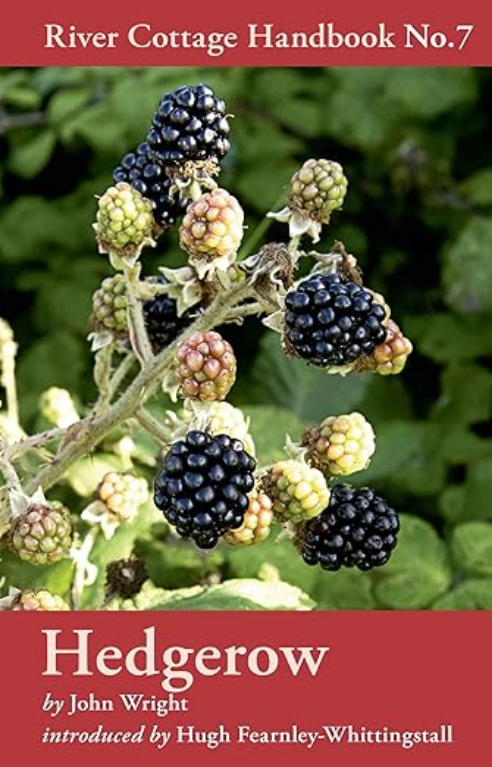
The Hedgerow Foraging Book is an entertaining and informative guide to wild foraging. Written by River Cottage’s foraging expert, John Wright, it’s packed with engaging stories and interesting facts.
Wright starts with the essentials: conservation, safety, and foraging laws. He also covers the basic gear you’ll need for your foraging adventures.
The book is split into chapters by plant type, focusing on the wild edibles commonly found in hedgerows. Each chapter includes a photo of the plant, along with details on its distribution, habitat, season, and culinary uses.
Alongside plant profiles, there are sections on poisonous lookalikes and simple, tasty recipes using wild ingredients.
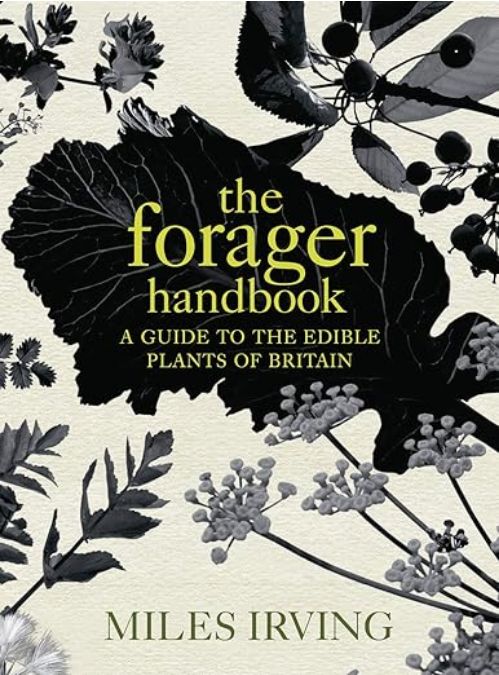
The Forager Handbook is a must-have reference for anyone keen to learn about British wild edibles. Perfect for those wanting to broaden their wild food knowledge.
It covers over 300 species, organised by plant family, and provides in-depth details on each plant’s distribution, habitat, description, lookalikes, and uses/recipes.
While it’s not a field guide (it uses black and white photos), it’s an excellent resource for researching your finds when you’re back home.
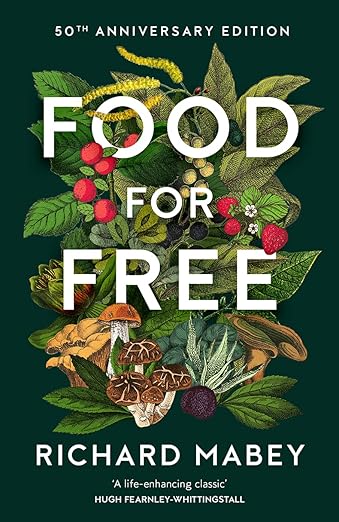
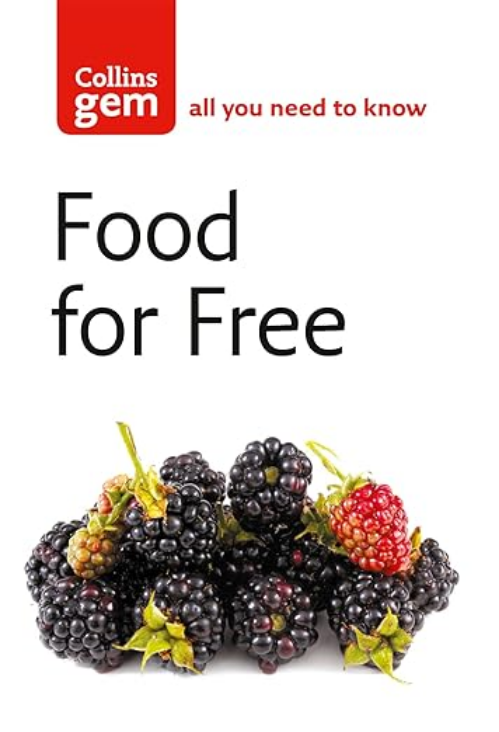
For more than 40 years, Food for Free has been the go-to guide for foragers, packed with up-to-date info and fresh photos in every new edition.
It covers over 200 wild plant species, from identifying them to cooking and using them.
While it’s a must-have for serious wild food fans, it’s better suited for home use as a reference. If you’re out foraging, there’s a handy pocket-sized version to take along on your walks.
This is the ultimate pocket guide for anyone into foraging. It’s compact, yet packed with useful info, including an intro to foraging, practical tips, and a wild food calendar to get you started.
Inside, you’ll find over 100 edible plants and fungi, each with clear illustrations and photos for easy identification, plus helpful details on how to use them.
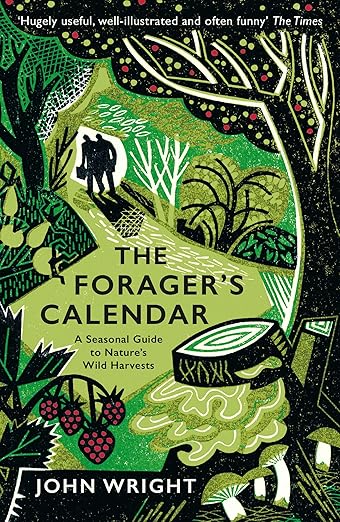
The Forager’s Calendar brings Wright’s unique style to life, making it feel like he’s right there with you, guiding you on a foraging journey.
He starts with the essentials—conservation, safety, and the right gear—before diving into the month-by-month breakdown of wild foods available in the UK and where to find them.
With clear photos and in-depth info for every plant, this guide is ideal for both beginners and seasoned foragers. His infectious enthusiasm makes it an engaging read from start to finish.
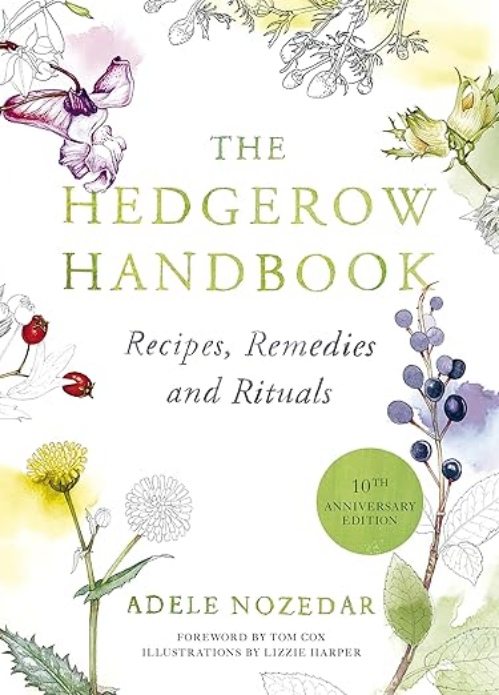
The Hedgerow Handbook is likely the best foraging book for beginners.
It focuses on the most common hedgerow plants, offering stunning watercolour illustrations and in-depth details on their folklore, medicinal uses, and recipes.
It also includes recipes for food, remedies, drinks, and preserves, making sure every part of the plant is put to good use.
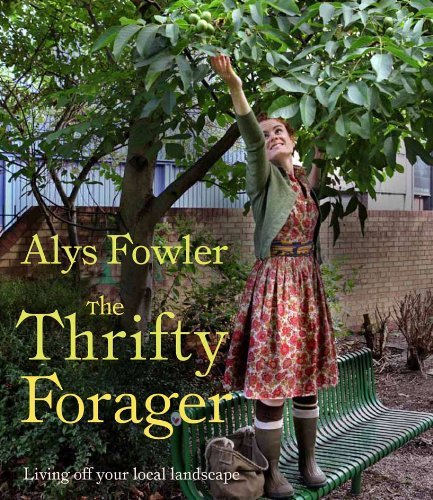
Alys Fowler offers a fresh take on foraging with this urban-focused guide.
The intro gives a solid overview of foraging, followed by creative ideas for community gardens.
The second half includes a useful seasonal chart and a plant directory with details on identification and edibility. With its vibrant layout and occasional recipe ideas, it’s an engaging guide to urban foraging.
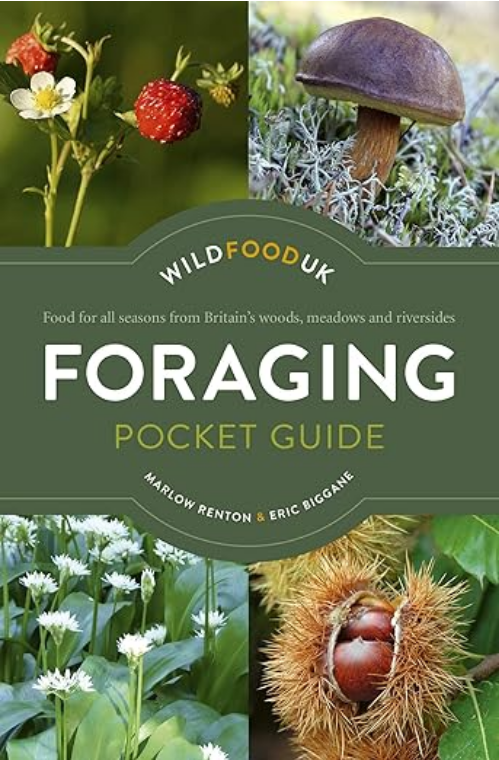
Written by expert foragers Marlow Renton and Eric Biggane, from WildFoodUK, this book is a must-have for foraging enthusiasts.
It’s packed with detailed, easy-to-understand info and the photos are top-notch—clear, real-life images that make identification a breeze.
It covers over 120 species, from edible to poisonous, with excellent instructions and key identifiers. The way everything’s laid out makes it easy to be 100% confident in what you’re picking.
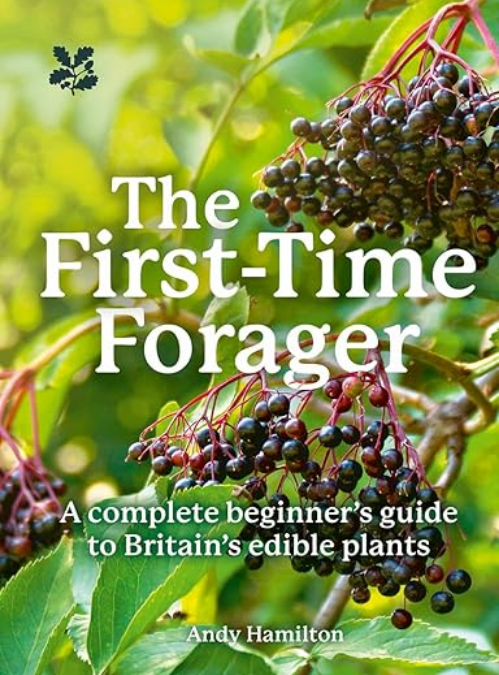
This pocket-sized guide is a friendly and honest companion for anyone curious about foraging in the UK.
Perfect for beginners, it focuses on plants that are easy to find, identify, and enjoy. The A-Z herbal section offers clear descriptions, botanical names, and stunning colour photos of each plant, along with simple recipes.
The second section is invaluable, covering poisonous plants and lookalikes with essential safety tips. Compact, practical, and easy to use—a must-have for foraging newcomers.
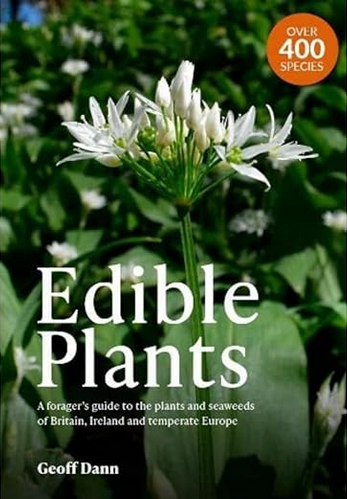
Whether you’re just starting out or more experienced, this book is a comprehensive, beautifully designed resource that’s both practical and inspiring.
It’s packed with detailed descriptions and stunning photos, making plant and seaweed identification in North-west Europe so much easier.
It’s not a field guide but perfect for home reading, offering clear advice on the best seasons to forage.
Final Thoughts
While these wild food and foraging books are fantastic resources, there’s always more to explore. Identifying plants in the wild can be tricky, so it’s wise to pair your foraging guide with a wildflower key or ID book for extra confidence in the field.
But nothing beats hands-on experience. The more you forage, the sharper your instincts become. So keep learning, keep exploring, and most of all—enjoy the adventure of foraging!
Disclaimer:
This post has affiliate links. If you buy through them, I might earn a small commission—at no extra cost to you. Rest assured, I only recommend good books I trust and have used. Your support means a lot. Thanks!


4 thoughts on “Best Foraging Books and Field Guides for the UK and Ireland”
Hello, we publish countryside books. If you are considering another summary of foraging books we have two suggestions:
by Julie Bruton-Seal and Matthew Seal
Eat your Weeds
Hedgerow Medicine
Wayside Medicine
and Mushrooming without Fear by Alex Schwab
https://merlinunwin.co.uk/collections/foraging-self-sufficiency
Hi Lydia, I know Bruton-Seal’s Hedgerow Medicine and it’s really good. Thanks for your suggestions.
Links to the books would be useful
Hi Steven,
Thanks for the feedback, I’ll probably include some links soon.