
[This article is part of the “Foraging Resources” series]
The British and Irish coasts are unique habitats, home to a rich variety of wild food. The harsh conditions, such as saltwater and strong winds, foster an exceptional range of edible plants that can’t be found elsewhere.
Coastal foraging is a rewarding experience, offering the chance to discover some of the finest local ingredients, from sea vegetables and seaweed to seafood. However, accurate identification and knowledge of where to find these ingredients are key.
While many general foraging books touch on coastal plants, nothing beats a dedicated seashore foraging guide that provides more in-depth details and practical information.
List of Recommended Coastal Foraging Books

The Edible Seashore is my top pick on the subject. The author weaves in fascinating facts and entertaining anecdotes, making it both informative and an easy read.
It starts with a solid introduction covering essential rules, regulations, and safety tips, alongside sustainability advice. The book then offers a comprehensive guide to seashore edibles, including plants, seaweed, and shellfish, all of which can be found along the British coast.
Beyond identification, it provides practical details on where and when to find these treasures. The final chapter features a collection of mouth-watering recipes to help you make the most of your foraged finds.
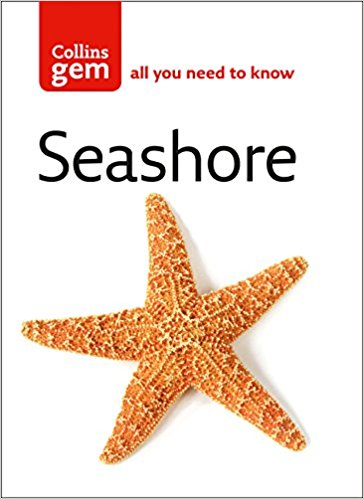
Although not specifically aimed at wild food enthusiasts, this pocket-sized seashore guide is an invaluable resource for coastal foragers, thanks to its portability and thorough coverage of the common species found along the British coast.
Compact and easy to carry, it’s the perfect companion for any shore excursion. The guide is organised by different coastal habitats, including cliffs, rocky shores, dunes, saltmarsh, shingle, and the strandline, making it easy to find what you’re looking for.
While it focuses on edible species like plants, seaweeds, and shellfish, it also includes a wide variety of other species—such as worms, arthropods, fish, birds, and mammals—that may not be as relevant to foragers but add depth to the overall coastal experience.

For anyone interested in coastal wildlife, this book is a must-read. It offers an in-depth, comprehensive guide to the diverse habitats along the coastline, covering everything from plants and seaweed to shellfish and other animals.
Highly accessible yet incredibly detailed, the book features clear, accurate illustrations that help readers easily compare and identify over 1,200 species of plants and animals.
This makes it an invaluable resource for anyone wanting to expand their knowledge of the rich and varied ecosystem found along the coast.
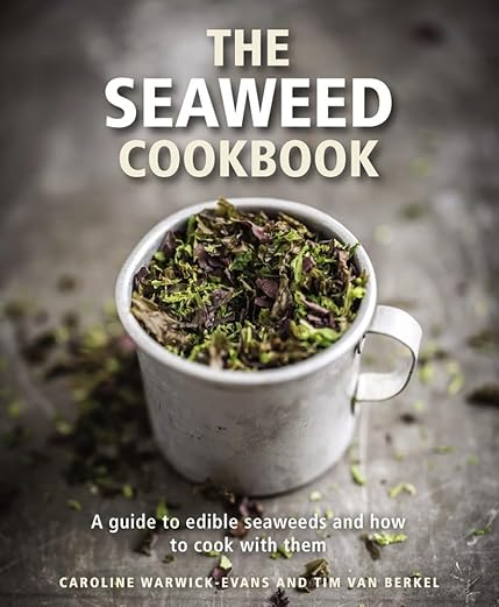
This comprehensive book is an excellent resource for anyone interested in seaweed foraging, offering valuable insights into gathering and identifying different species.
It includes a visual directory of the most common seaweed species, along with guidance on when and where to find them, as well as their uses and nutritional benefits.
Not only is it an informative guide to seaweed foraging, but the book also features a wide array of delicious recipes. With over 100 recipes ranging from simple, tasty dishes to more creative, high-end cuisine, there’s something for everyone in this seaweed recipe collection.
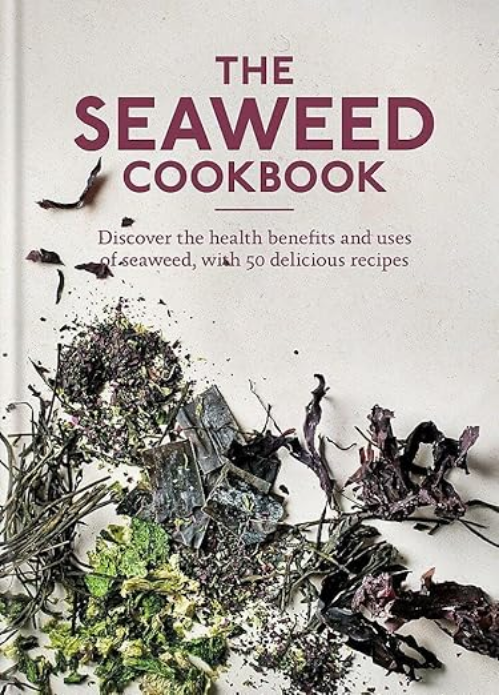
For those new to cooking with seaweed, this is an excellent cookery book that introduces the many health benefits of incorporating seaweed into your diet. It covers everything from where to find seaweed and how to collect it, to preparing it in a variety of dishes.
Focusing on simple, easy-to-follow recipes, the book offers a wide range of options, from appetizers to main and side dishes. It also includes recipes for body scrubs, seaweed soaks, and masks, expanding its usefulness beyond the kitchen.
One of the standout features is the book’s stunning photography, which is both informative and visually captivating. The photographs provide clear, illustrative guidance on identifying different types of seaweed and how to use them in various recipes.
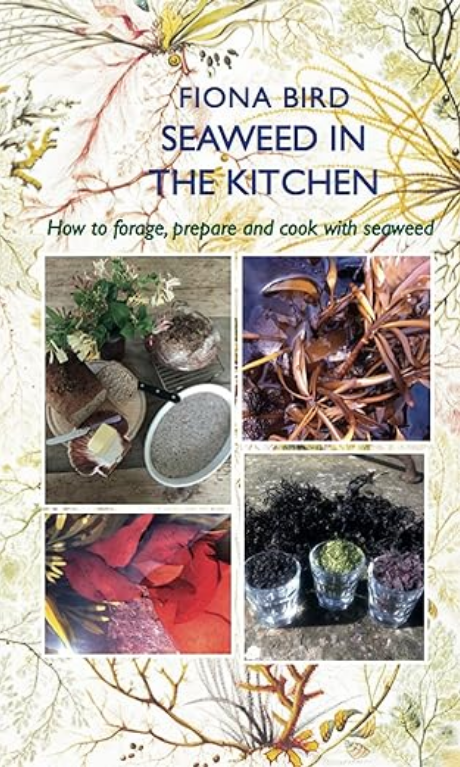
This book is a unique and inspiring celebration of seaweed, putting it at the heart of every dish.
Using bold creations, the recipes are inventive and deeply rooted in coastal cuisine. It’s not just a cookbook; it’s a treasure trove of knowledge, with chapters on seaweed’s history, health benefits, and cultural significance.
The confidence to embrace unfamiliar ingredients is infectious, making it a must-read for anyone curious about foraging and coastal flavours.
Final Thoughts
While there aren’t many seashore books solely dedicated to coastal foraging in the UK and Ireland, the great news is there’s no shortage of resources to help you uncover the hidden treasures along our shores.
Personally, I like to combine general foraging books with coastal-specific guides to ensure I don’t miss out on anything. This way, I can feel confident that I’m gaining all the knowledge I need to make the most of my coastal foraging adventures.
Disclaimer:
This post has affiliate links. If you buy through them, I might earn a small commission—at no extra cost to you. Rest assured, I only recommend good books I trust and have used. Your support means a lot. Thanks!