
Wood Avens: Plant profile
Common names
Wood Avens, Herb Bennet, Bennet’s Root, Clove Root, Cloveroot, Colewort, St Benedict’s Herb, Old Man’s Whiskers
Botanical name
Geum Urbanum
Family
Rosaceae (Rose)
Distribution
Wood avens graces landscapes from Europe and Central Asia to the vast reaches of the Western Himalayas. It’s a familiar sight throughout the United Kingdom.
Where to find Wood Avens
Encountered amidst woodlands, hedgerows, scrublands, roadsides, gardens and shady areas.
When to find Wood Avens
Available throughout the year, though best harvested from Early Winter to Late Spring.
How to identify Wood Avens
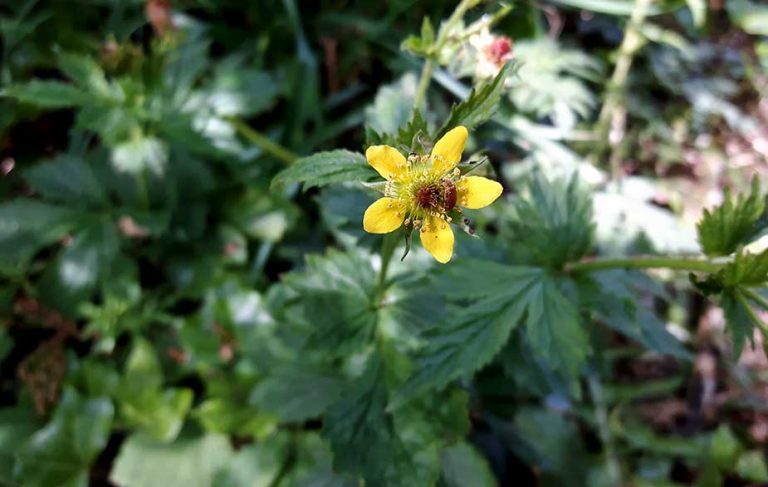
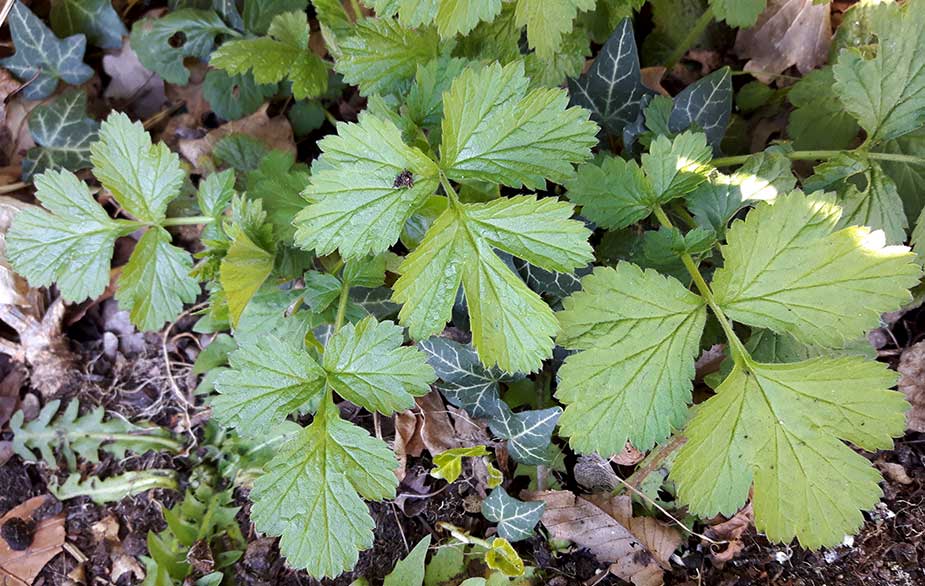
A plant characterized by its basal rosette growth pattern, sporting upright, hairy, and branching stems. Its leaves bear a striking resemblance to those of wild strawberries.
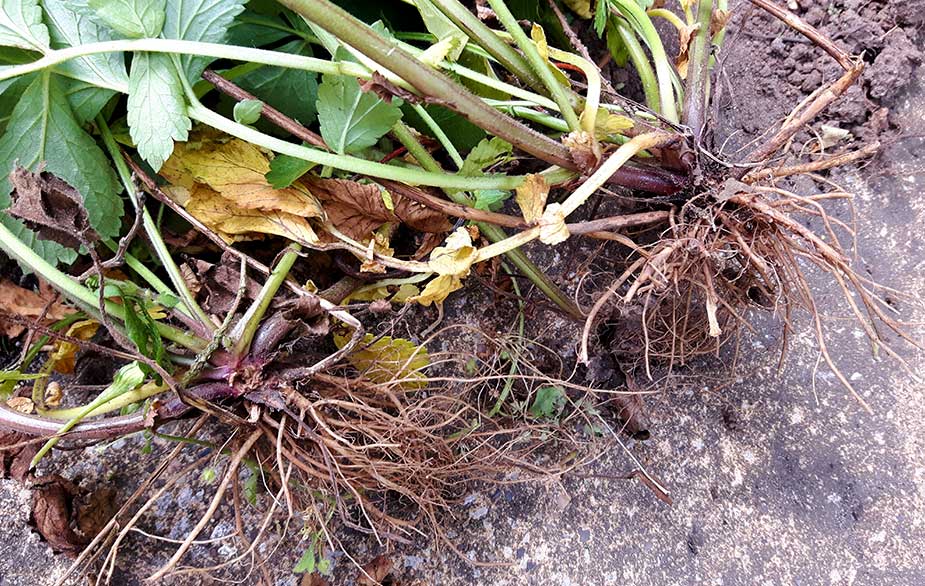
In the months spanning from May to August, it bursts into bloom with five vibrant yellow petals. Its seeds take the form of burrs, while beneath the surface, a complex network of both sturdy and delicate roots intertwines, anchoring it firmly in the earth.
Wood Avens lookalikes
While both Water Avens (Geum rivale) and Wild Strawberry (Fragaria spp) bear a superficial resemblance to Wood Avens, there’s a distinctive feature that sets them apart: the unmistakable clove-like scent emanating from the root.
All about Wood Avens
Nestled amidst the nooks and crannies of gardens and untamed wild spaces, Wood Avens quietly thrives, claiming its territory with a tenacity that often goes unnoticed.
If you’ve ever wandered through the woodlands and stumbled upon unexpected greenery, chances are Wood Avens was among them.
Exploring the depths of culinary heritage, Wood Avens root was once prized as a flavouring agent for ale and fruit dishes. As foragers, we are interested in the aromatic and flavourful roots, which unleash a heady aroma reminiscent of cloves.
Medicinal properties of Wood Avens
All parts of the plant, particularly its root, boast an array of medicinal properties, serving as an anti-inflammatory, antiseptic, diaphoretic, febrifuge, stomachic, styptic, and tonic agent among other properties.
Furthermore, modern research highlights Wood Avens’ antioxidant properties, attributed to polyphenols like eugenol, akin to those found in cloves. These compounds contribute to the herb’s antibacterial efficacy, underlining its therapeutic potential.
Culinary uses and recipes of Wood Avens
Wood Avens’ young leaves serve as a pot-herb in spring and summer, yet their bitter taste pales next to the prized small, fine roots. Emitting a sweet clove scent with hints of cinnamon, these roots provide a milder, distinct flavour akin to cloves.
Wood Avens’ roots enrich beverages such as homemade chai and elevate mulled wine, cider, whisky, or hot buttered rum with their warm, sweet aroma. The roots elevate bittersweet drinks like vermouth or amaro and make a flavourful liqueur base on its own.
Wood Avens roots enhance curries, fruit dishes, cakes, and sauces, especially with apples and plums. Dehydrate and grind for storage, but note flavour loss. Opt for fresh use or cook into syrup for maximum flavour retention.
Safe foraging of Wood Avens
Due to its elevated tannin levels, caution is advised regarding excessive consumption of this herb. Overindulgence may lead to digestive discomfort or intestinal problems.
Ecological importance of Wood Avens
Wood Avens flowers provide a source of nectar for bees, ensuring pollination. Caterpillars of the grizzled skipper butterfly graze on its leaves, underscoring the plant’s role in supporting local biodiversity.
Come seed dispersal time, its sticky burrs easily break apart, hitching rides on hairy animals and occasionally human passersby, contributing to its widespread distribution.
Sustainable Wood Avens foraging
Wood Avens grows abundantly in the wild; however, adhere to usual foraging guidelines.Uprooting plants without landowner’s permission is illegal in the UK, please make sure you know the law.


1 thought on “Wood avens”
Many thanks Alvaro, for your exceptional knowledge and dedication surely to Nature. Best regards.