
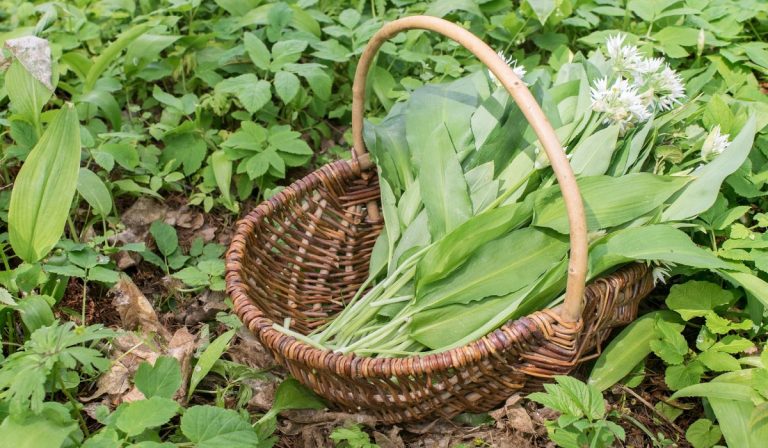
Foraging for wild food is simple joy, the scent of fresh leaves, the crunch of a ripe berry, the sharp aroma of wild garlic underfoot. But picking wild plants and mushrooms comes with responsibility. There’s a way to forage that respects the land, wildlife, laws, and other people.
This Foraging Code is your guide to ethical and safe foraging in the UK. It’s not a strict rulebook, but a set of principles you’ll grow into as you explore forests, hedgerows, and meadows.
Know Your Wild Plants
Take time to understand the plants around you.
Learn their shape, smell, colour, and growth patterns. Familiarise yourself with common edibles and their lookalikes. Study guides, trusted sources, or local experts, never guess.
Harvest with Confidence
Only take plants you can identify with total certainty.
Even familiar species deserve a double-check. Foraging with confidence keeps you safe, protects the plant, and honours the landscape you’re exploring. If in doubt, leave it out.
Take Only What You Need
Always pick in moderation from plentiful populations.
Take no more than you plan to consume and spread your foraging over a wide area, rather than stripping a single patch bare. Leave enough for wildlife and for plants to regrow. This approach ensures foraging is sustainable.
Respect Rare and Protected Species
Familiarise yourself with endangered or scarce species to avoid accidental harm.
Some plants and fungi are protected under UK law. Do not collect any you cannot positively identify, and avoid anything unusual or scarce in the area. These species aren’t for picking. Let them stand.
Seek Permission to Enter the Land
Always get consent before entering private land you don’t own.
On common land, foraging for personal use is usually fine. On private land off public rights of way, ask first. Public parks, nature reserves, and conservation areas may have rules restricting picking, so check before you forage.
Avoid Picking the Roots
Roots are a vital part of a plant’s life.
Don’t pull up a plant by its roots unless you plan to eat them and are sure the plant is resilient and growing abundantly. In many cases, digging up plants without the landowner’s permission may also be illegal.
Pick from Clean Areas Only
Think about where a plant grows and what’s around it.
Avoid foraging near busy roads, polluted rivers, sprayed farmland, or areas where dogs regularly roam. Always wash wild foods before eating, this keeps your meals safe and lets their natural, wild flavour shine.
Leave No Trace of Your Visit
Tread lightly and respect the habitat.
Take all your rubbish with you, avoid disturbing wildlife, and forage gently. Your footprint should be so light that it’s as if you were never there at all.
Try New Wild Foods Slowly
Introduce new plants to your diet gradually.
Your body may not always agree with a new plant. If you have food allergies, a sensitive stomach, or kidney or heart issues, some wild foods could cause a reaction. Start with small amounts and see how you respond.
Share Your Knowledge Respectfully
Help others appreciate and care for the landscape.
Modern life has distanced many from the sources of their food. One of the best ways to reconnect is by teaching others, especially future generations, how to identify and use local plants responsibly
***
Foraging in the UK is about more than just food. It’s about connection, to the land, the seasons, and yourself. By following this Foraging Code, you’ll forage ethically, safely, and sustainably, building confidence and respect for the wild places around you.

3 thoughts on “The Foraging Code: A Practical Guide to Foraging in the UK”
What I enjoy most about foraging is how educational it is. Learning to identify plants, berries, and mushrooms makes you more aware of your surroundings and much more respectful of nature.
Is it ok to dig up wild plants on the side of payments .as I love to forage more information would be greatly appreciated