[This article is part of the “Foraging Resources” series]
Plant identification is key when foraging for edible wild plants. While foraging books and field guides offer descriptions and photos, they might not always give you the level of detail needed for a reliable ID.
So, how do you go about identifying edible plants? A good starting point is plant identification books and wildflower keys. It’s crucial to choose a guide specific to your area, as the plants you encounter will likely be native or common in your region.
Most guides feature clear photos or detailed illustrations to help you match your find with similar plants. While the flora of the British Isles is relatively small, using a guide focused on local species can still make a huge difference.
Wild plant guides and wildflower keys might seem overwhelming at first, but they’re invaluable tools for learning the ropes of foraging. Just make sure you pick one suited to your experience level. Some guides can be a bit technical for beginners.
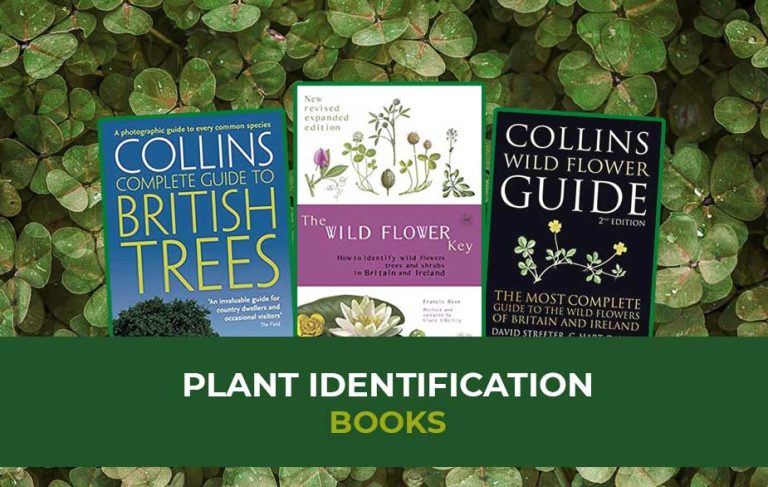
List of Recommended Plant ID Books
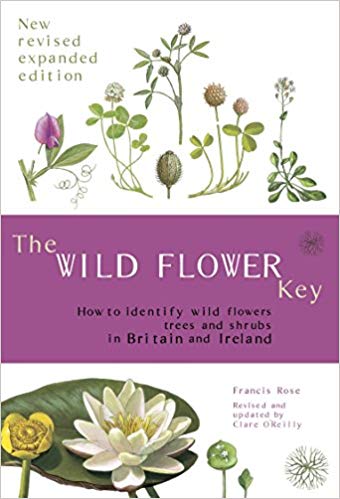
This highly recommended wildflower key, first published in 1981, strikes the perfect balance between botanist-level detail and accessibility for beginners.
Its thorough descriptions and illustrations make plant identification straightforward, though it might take a bit of practice for newcomers.
Lightweight and compact, it slips easily into your rucksack. Plus, it comes with a protective plastic cover to keep it clean and dry during your foraging trips.
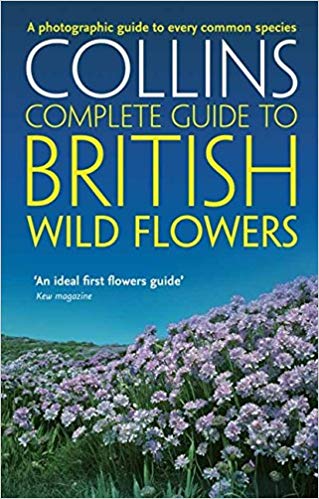
Arguably one of the best wildflower identification books, this guide features over 1,000 entries covering common plant species found across the UK and Ireland.
The introduction is packed with useful info on habitats, a glossary, and comparison pages for quick navigation.
Each entry offers clear, concise descriptions of the flower, fruit, seeds, distribution, and status, all paired with excellent photos right alongside each plant for easy comparison with similar species. Plus, there’s a handy pocket-sized version for foraging on the go.

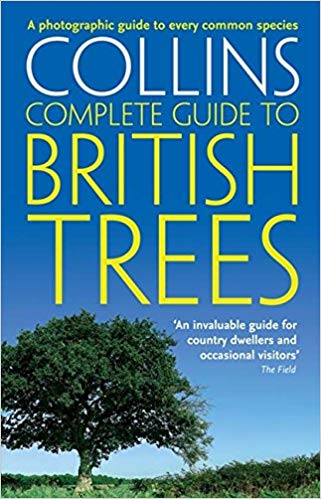
Looking for a reliable tree and shrub identification book? This one covers all species found in the UK and Ireland, including native and naturalised varieties. The introduction offers valuable insights into tree biology, woodland ecology, and handy identification charts for leaves, fruits, twigs, and bark.
With 360 species described and illustrated in detail, it features excellent photos highlighting key features like cones and bark for easy identification. It’s an invaluable tool for both beginners and experts alike.
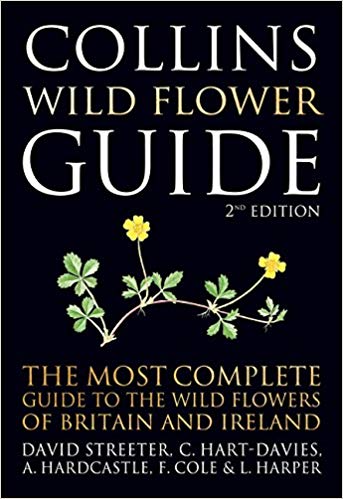
If you prefer illustrations and keys over photos, this plant identification guide is a top choice. With over 1,900 wildflowers from Britain and Ireland, it’s regarded as one of the leading flower identification resources.
Plants are organised by family, making it easy to compare related species. The book features stunning illustrations and in-depth species descriptions. While the keys might be tricky for beginners, more experienced foragers will value the depth they offer.
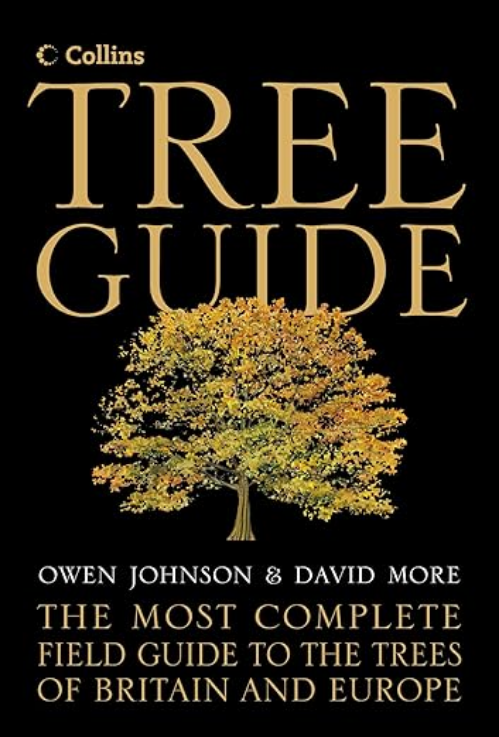
This comprehensive Collins tree identification key book covers a wide variety of tree species, including a list of key species within each family and a guide to the most important characteristics used for identification.
Every entry features beautiful illustrations and detailed descriptions of the different tree species. While the keys may be challenging for beginners, experienced foragers will find this book to be a valuable resource for tree identification.
Final Thoughts
Plant identification books are a very personal choice. Some folks swear by photo-heavy guides, while others prefer illustrations or wildflower keys. Wildflower keys can be tricky for beginners, but they’re spot on for those with more experience.
In my view, the Collins photographic guides are perfect for beginners. They offer clear photos and detailed descriptions to help you get started. That said, it’s always worth having a few extra resources on hand to back up your foraging finds.
Do you use wildflower keys on your foraging walks?
Disclaimer:
This post has affiliate links. If you buy through them, I might earn a small commission—at no extra cost to you. Rest assured, I only recommend good books I trust and have used. Your support means a lot. Thanks!