Wild Fennel: Plant profile
Common names
Wild Fennel, Fennel, Sweet Fennel
Finnochio Selvatico (IT), Hinojo Silvestre (SP), Fenouil Sauvage (FR), Funcho Selvagem (PT), άγριο φινόκιο / ágrío finókio (GR), Shoumar (AR), Shomar (AR)
Botanical name
Foeniculum vulgare
Family
Apiaceae (Carrot)
Distribution
Wild fennel, originally native to the Mediterranean and Eurasia, has now spread and become naturalised in various regions worldwide, including Britain.
Where to find Wild Fennel
Wild fennel thrives in roadsides and disturbed ground, fields, meadows, and features frequently along coastal areas. It particularly favours sunny spots with well-drained soil.
When to find Wild Fennel
Young leaves are best collected in the spring, while tender stems are prime for picking from late spring to early autumn. As for the seeds, they’re ready for harvest in late summer to autumn.
How to identify Wild Fennel
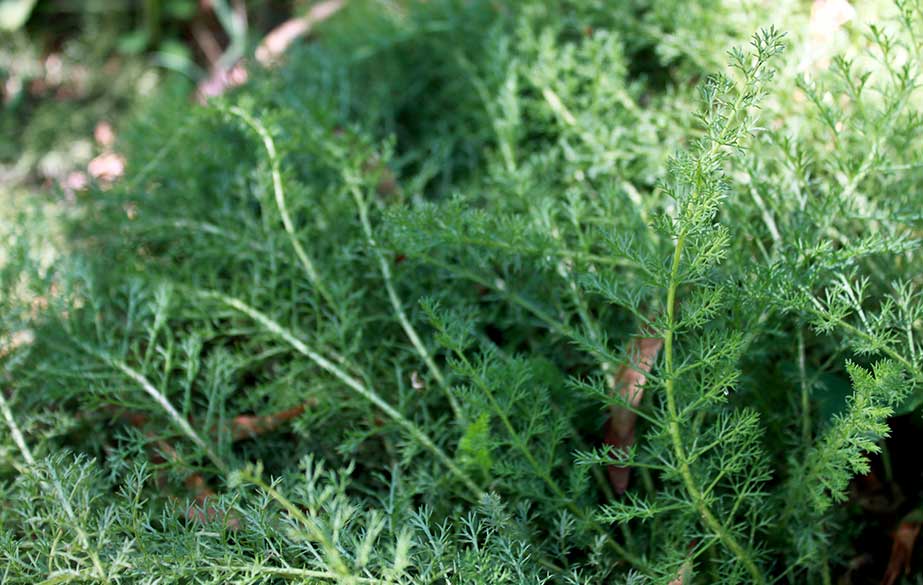
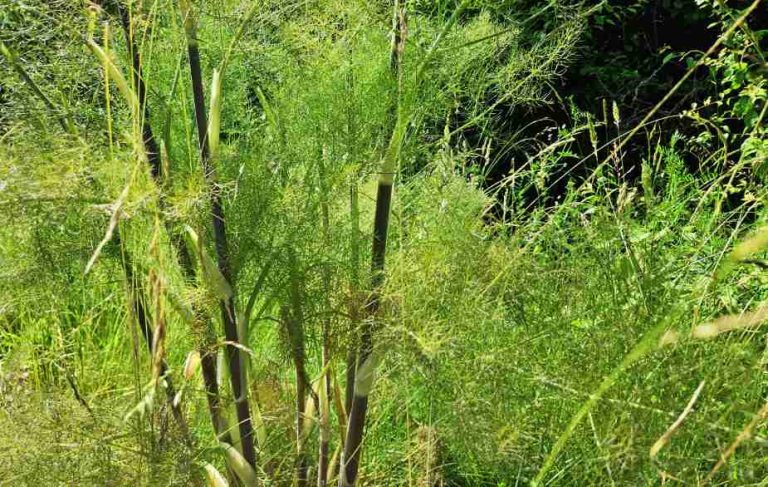
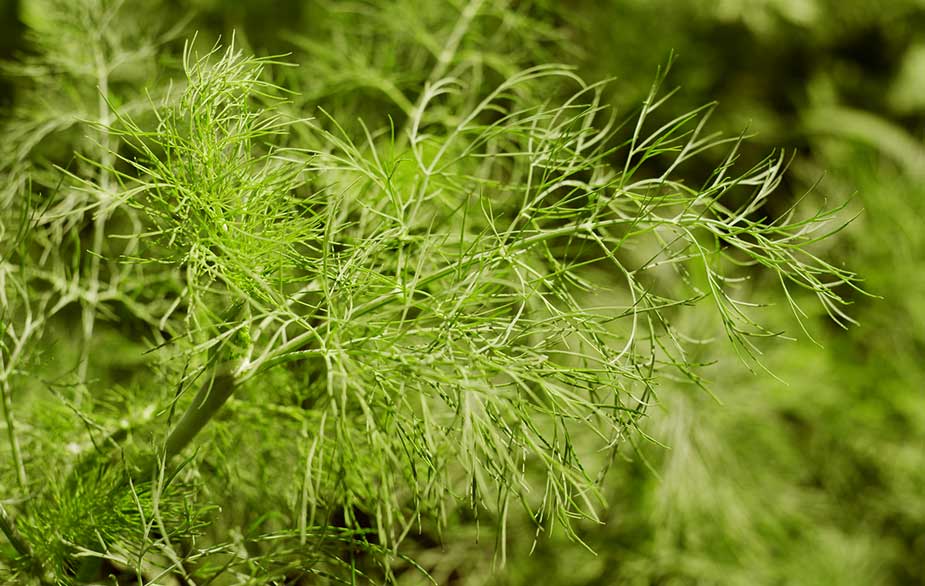
Wild fennel is an upright, hardy perennial herb with green, leafy foliage. It can reach heights of 1-3 meters, with frothy, elongated sprouts of fronds emerging from a long, cane-like main stem.
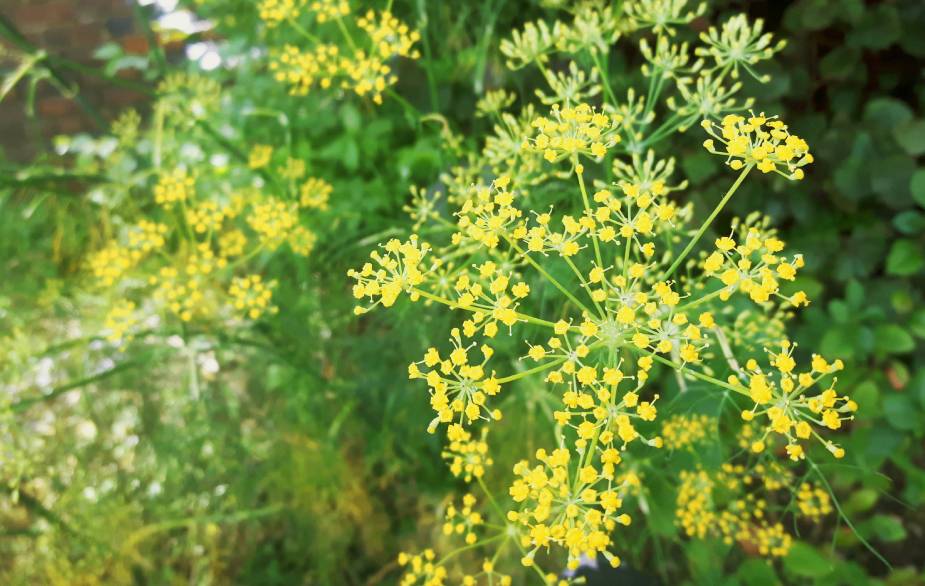
During its blooming season, wild fennel produces umbrella-shaped clusters of small, yellow flowers. Following flowering, it produces oval, ridged seeds. Fennel smells distinctively like aniseed
Wild Fennel lookalikes
It appears like a bushy plant, superficially reminiscent of mature asparagus, a rarity growing wild in the UK.
Similar to other plants in the carrot family Apiaceae, which includes many poisonous species. Wild fennel stands out with its distinctive feathery leaves and yellow flowers and boasts a highly distinctive anise-like aroma.
All about Wild Fennel
Introduced by the Romans, wild fennel thrives in unexpected places, such as the middle of dual carriageways, hedgerows, and coastal land. This resilient herb does not tolerate low temperatures and its growth is limited to regions no further north than Blackpool.
For those familiar with its distinctive aroma, wild fennel is more than just an herb—it’s a sensory experience. Along coastal paths and sandy beaches, particularly on balmy summer days, its refreshing aniseed scent wafts through the air.
Wild fennel and garden fennel are essentially the same; the only difference is that wild fennel has reverted to its natural, untamed state.
Medicinal properties of Wild Fennel
With its deep roots, fennel gathers an abundance of minerals in its leaves and stems, including calcium, iron, magnesium, phosphorus, copper, potassium, and manganese, alongside vitamin C and niacin.
Wild fennel boasts a rich herbal tradition, prized for its digestive benefits. From easing heartburn and gas to regulating appetite and reducing bloating, it serves as a versatile ally for digestive wellness.
After indulging in a hearty meal, consider nibbling on the seeds or brewing a soothing cup of fennel tea to harness its therapeutic properties.
Culinary uses and recipes of Wild Fennel
Fennel greens are a Mediterranean delicacy, cherished in Greece, Spain, and Italy. Cooked greens and tender stems lend a subtle liquorice or anise flavour, enhancing fish and seafood dishes with their herbal essence.
Wild fennel fronds serve as versatile herbs, ideal for enhancing various dishes. Finely chopped and added to fish, potatoes, or salads, they impart a fragrant aroma. Tsigarelli, a traditional Cretan recipe, mixes the stalks with garlic and paprika.
Wild fennel seeds boast a sharp, sweet aroma, perfect for seasoning both savoury and sweet dishes. Ground into powder, they’re ideal for Italian pasta sauces or Indian curries. Additionally, they elevate baked goods like bread or cookies.
Numerous liqueurs, including ouzo, pastis, and anisette, are crafted using fennel. For those inclined to experiment, crafting your own schnapps is a delightful option. Infuse fennel leaves, flowers, or seeds into an alcohol base for a premium booze.
Safe foraging of Wild Fennel
Contact with the sap or essential oil of fennel is known to occasionally cause photosensitivity and/or dermatitis in certain individuals, although such occurrences are rare.
Ecological importance of Wild Fennel
Wild fennel is an invasive plant in certain places. Fennel effortlessly takes root and spreads, thanks to its deep and tenacious taproots, which enable it to establish a firm foothold in diverse habitats.
However, its abundant flowers serve as an important source of pollen for various pollinators.
Sustainable Wild Fennel foraging
While wild fennel may be plentiful in its natural habitat, it’s important to adhere to standard foraging etiquette when harvesting it.