We tend to think of nature as somewhere we have to go to. A woodland, a mountain, a national park, somewhere beyond the edges of the city. But what if nature never actually left?
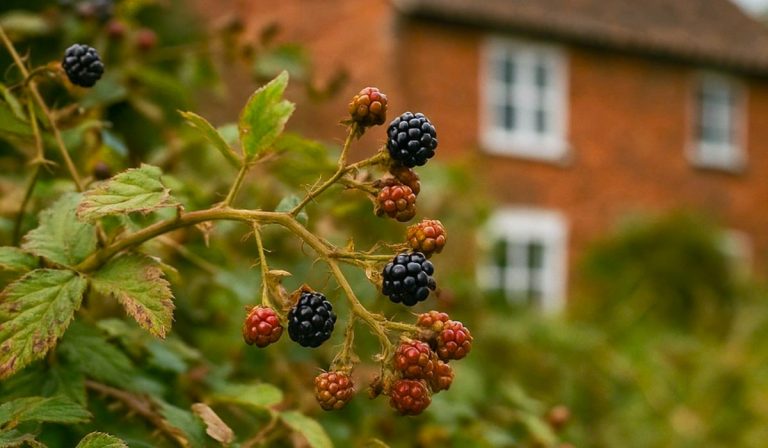
Even in the busiest city, edible plants are quietly thriving. Blackberries scramble along hedges, nettles crowd shady corners, and elderflowers scent the air in early summer. You’ve probably walked past them without a second thought.
Hardy, persistent and often surprising, these plants claim the spaces we tend to overlook. With a little attention, the everyday streets and parks around you can reveal a hidden layer of nature.
What is Urban Foraging?
In cities, nature is quietly flourishing. Plants emerge along pathways, wind their way up walls, thrive beside waterways and burst into life in parks. Edible species establish themselves in places we might barely notice.
Urban foraging is the practice of spotting, identifying and harvesting wild edible plants, fruits and herbs in our towns and cities. There’s no need to hike miles into the wilderness. It’s about paying closer attention to the places you already pass through every day.
I know. For many people, the idea still feels counterintuitive. Cities seem managed, sprayed, walked over and polluted. But urban foraging begins with attention, not knowledge.
Before learning which plants you can eat, you first have to learn to notice what is growing around you. That shift in attention is where urban foraging really begins.
Where Urban Foraging Actually Happens
Urban foraging doesn’t happen everywhere. Learning where not to forage is just as important as knowing where to look.
It tends to thrive in transitional spaces, the edges between use and neglect, order and wildness. Parks that aren’t overly manicured, old hedgerows, canalsides and housing estates with unmanaged edges provide the light, disturbance and breathing room that many edible plants favour.
Human presence shapes these places, but they aren’t dominated by constant intervention. Over time, patterns begin to emerge. Some places wake earlier in spring, others hold onto moisture through dry spells, and some plants favour sunny edges while others hide away in shady corners.
This is where foraging starts changing the way you see a landscape. A park stops being simply a park. You begin noticing where the nettles appear, where the blackberries ripen and which patches stay damp after rain.
Urban foraging is less about memorising locations and more about understanding how landscapes behave. You start noticing rhythms, quirks and small details that reveal where plants want to grow.
Can You Forage in Urban Parks?
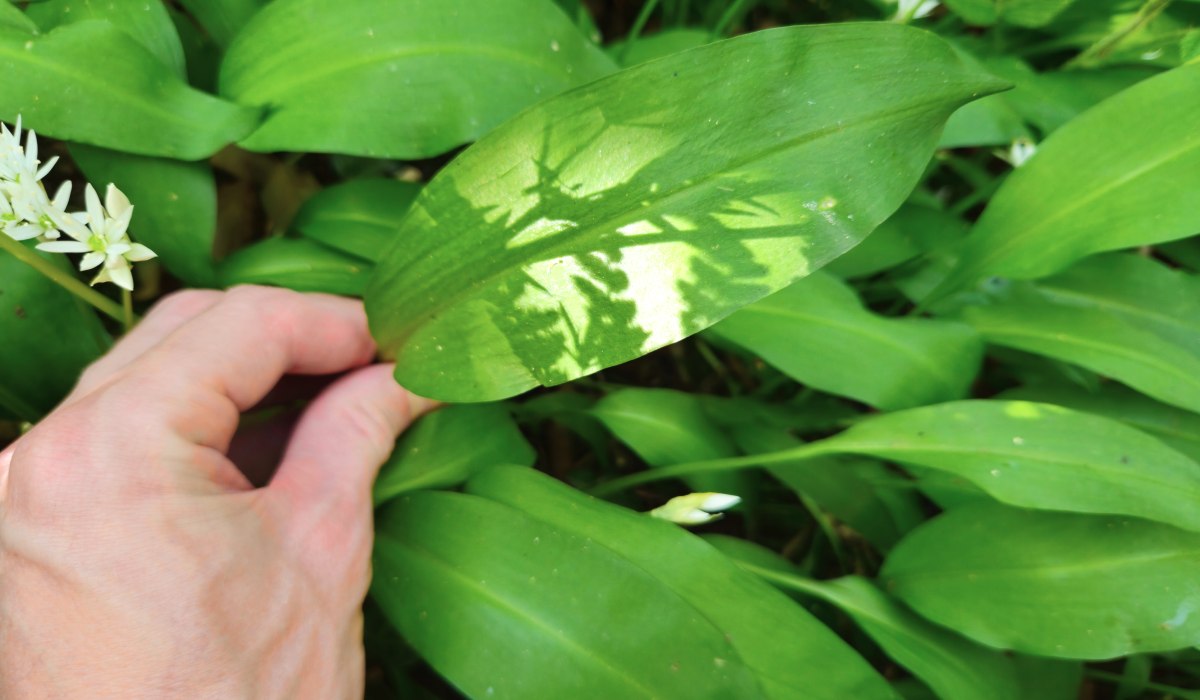
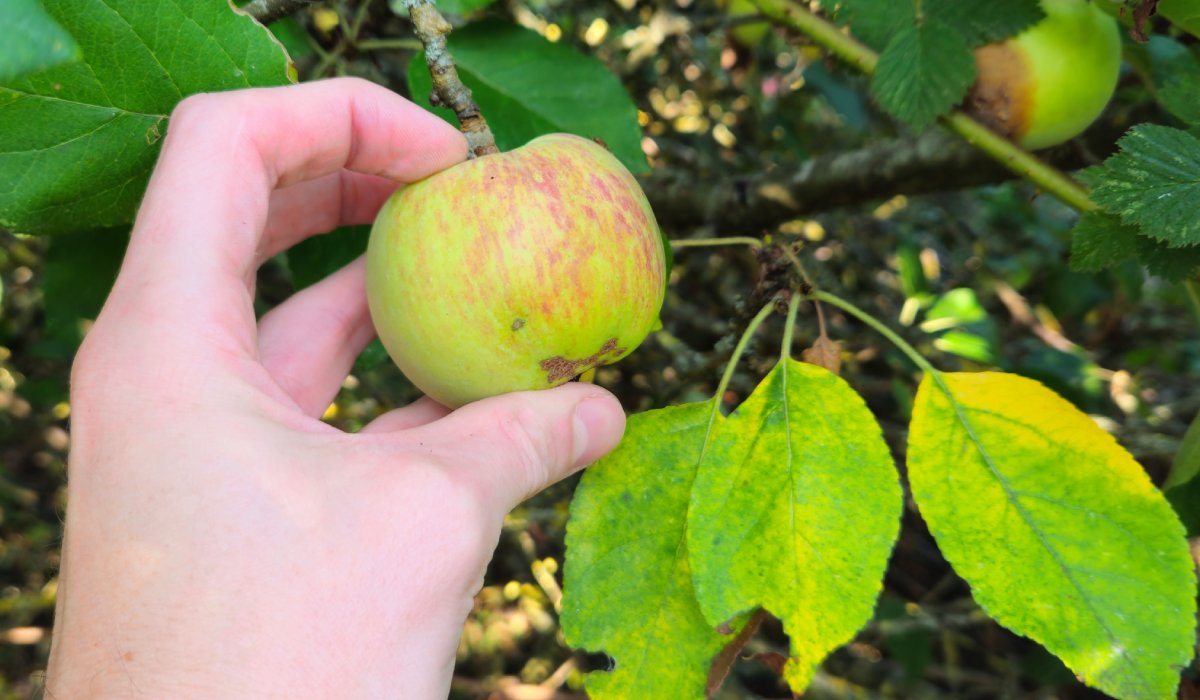
Parks are a beginner’s best friend. They mix maintained lawns with quieter edges, and their trees, shrubs and waterways can support a surprisingly wide range of edible plants. Some native, some more exotic.
They probably won’t feed you for a week, but that’s not really the point. Parks are perfect places to practise observation, identification and seasonal awareness without the pressure to come home with bags of food.
Learning matters more than gathering. You could walk through a park without picking a single thing and still have a very good foraging session.
Bear in mind that many green spaces are privately owned but open to the public. Foraging is usually permitted in public parks, though exceptions exist, such as the Royal Parks in London.
Always check before you harvest. It saves awkward conversations and the occasional “you really shouldn’t be doing that” moment.
Is Urban Foraging Safe?
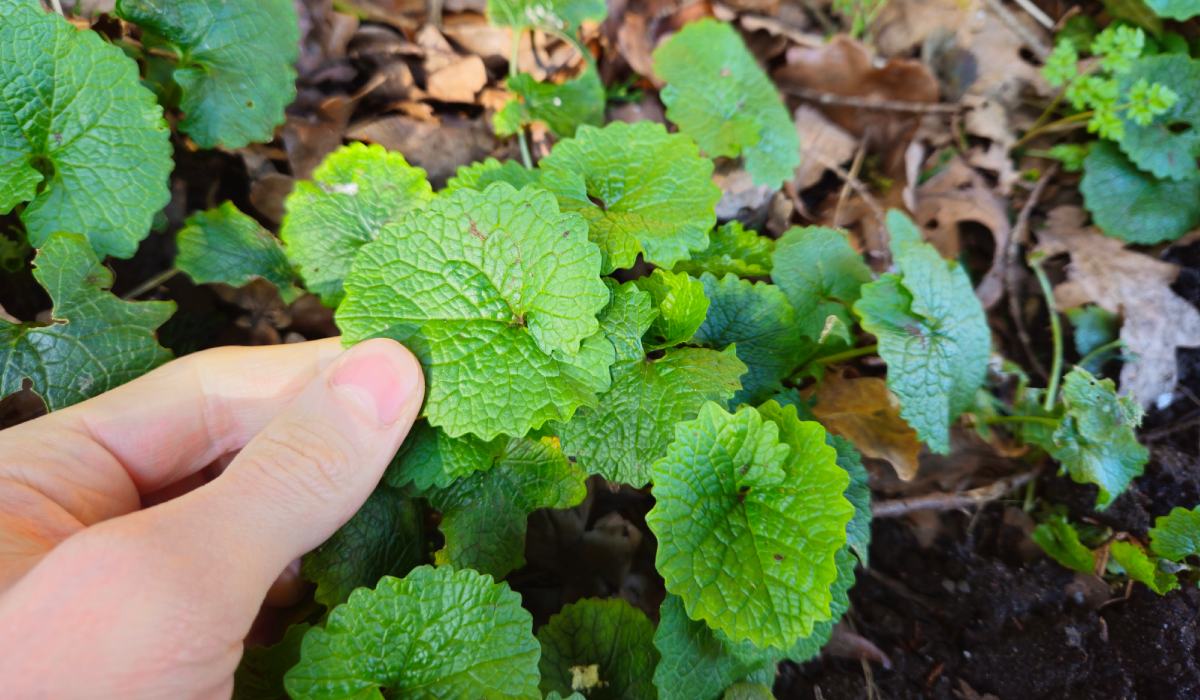
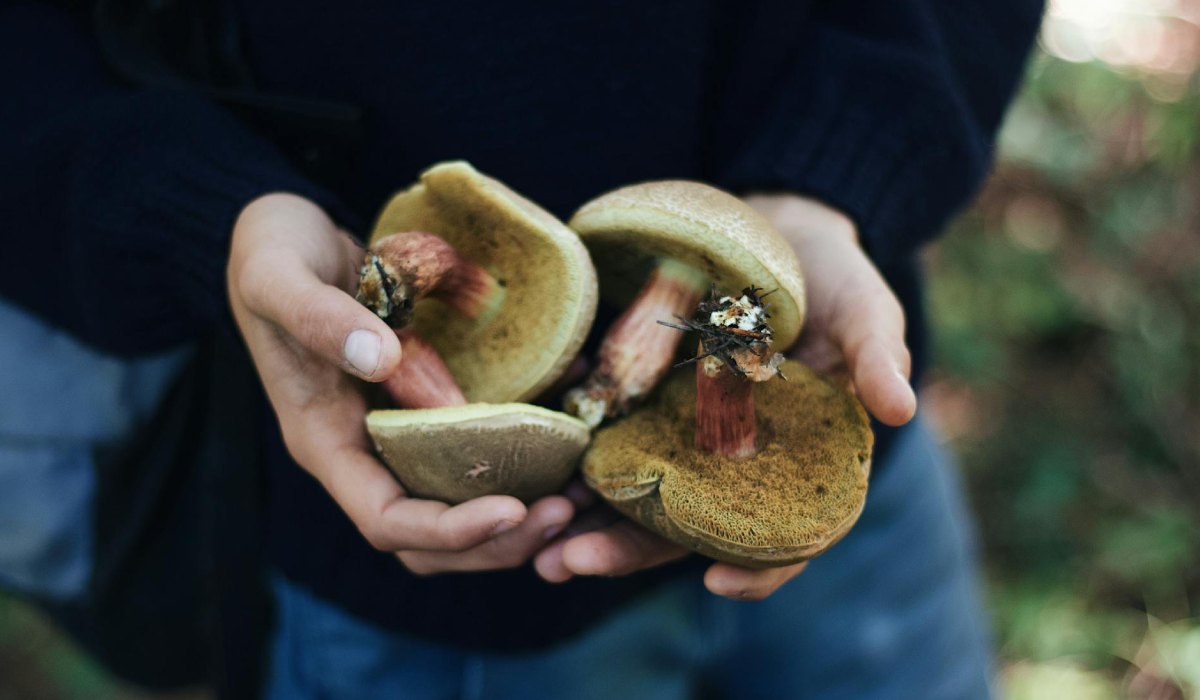
Safety is the question that stops most beginners, and rightly so. Urban environments carry risks that you need to consider: traffic pollution, dog activity, pesticides, chemical treatments and heavy footfall.
So urban foraging relies on judgement. Roads, soil, smells, maintenance signs and the general “feel” of a spot can all give you clues. If a place seems off, walk away.
There is no shortage of plants and no need to rush. You don’t have to identify and harvest everything you come across simply because you can.
A cautious, selective approach keeps urban foraging safe, sustainable and quietly rewarding. Confidence grows through discernment, not daring.
What Urban Foraging Is (and Is Not)
Urban foraging is not about treating green spaces like personal pantries. That mindset can erode trust, damage habitats and make foraging unsustainable. Notice whether wildlife depends on the plants you’re picking, and always leave plenty behind for others.
It’s also not about learning every edible plant all at once. That approach overwhelms beginners and invites mistakes. Surface knowledge can feel productive, but it rarely sticks.
Urban foraging works best when learning stays narrow and deep. One plant learned well can teach you far more than ten learned superficially.
You begin to understand not just what a plant is, but where it grows, when it appears, what grows alongside it and which plants you might confuse it with. Depth builds judgement, and judgement helps keep you safe.
How Beginners Actually Start
Most people start urban foraging without really planning to. A plant they’ve seen for years suddenly catches their eye. Maybe it’s a blackberry-heavy hedge, a patch of nettles or an unfamiliar flower growing beside a footpath.
Familiarity comes first. Curiosity follows. Learning comes next.
Observation is the foundation. Watch how a plant changes through the seasons, where it thrives, where it struggles and what conditions it prefers. This knowledge grows in the field, and no book can replace spending time with the actual plant.
Identification comes later. Reliable plant guides are useful, not as shortcuts, but as confirmation. They support what your senses are already beginning to learn.
The goal isn’t simply to collect plant names. It is to become better at noticing what is around you.
Learning Plants Without Overwhelm
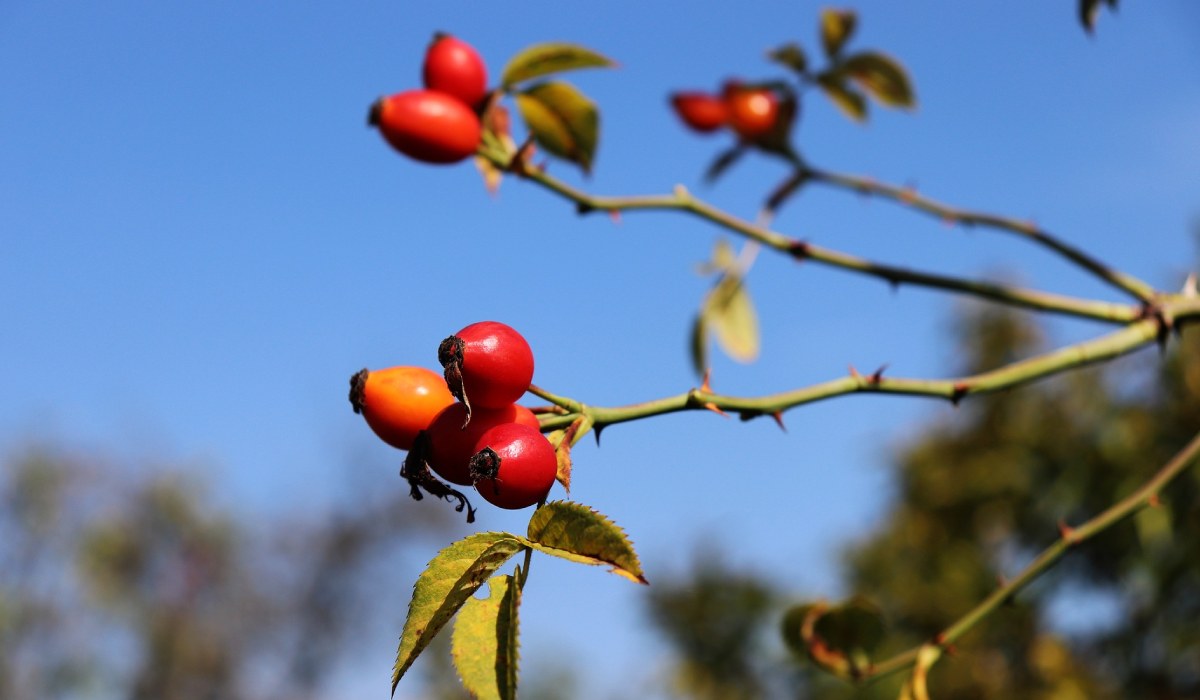
Beginners often assume foraging means memorising a vast catalogue of species. In practice, confidence grows faster when learning stays deliberately small.
Start with a handful of common urban plants: dandelion, chickweed, nettles, hawthorn, blackberry and elderflower. They’re easy to find, relatively straightforward to identify and show up reliably year after year.
Learn them well. Each plant teaches you something about habitats, seasons, plant families, harvesting and potential lookalikes.
Over time, your knowledge spreads naturally, guided by curiosity rather than pressure. This small, sensory-led approach builds observation skills that can eventually take you much further.
Legal and Ethical Considerations in Urban Spaces
In the UK, foraging is shaped by law and custom. Small amounts for personal use are usually fine where access is allowed, but uprooting plants, causing damage or harvesting commercially can create different legal considerations.
Ethics matter too, and often more than legality.
Harvest lightly. Leave plenty behind. Avoid rare or struggling plants. Remember that these spaces are shared, and restraint helps preserve both the habitat and goodwill towards foragers.
A useful question is not simply, “How much can I take?” but, “What can I leave behind?”. That small change in thinking can make a big difference to how you forage.
What Urban Foraging Offers Beyond Food
Food is often the entry point, but rarely the lasting reward. Urban foraging changes how familiar places are experienced. Walks slow down, seasons regain texture, and green spaces stop being background and start to feel alive.
A blackberry is no longer just a blackberry. You know the hedge it came from, notice when the flowers appeared and watch the berries develop. You begin to recognise what else lives around it.
Over time, the city feels less sealed off and less separate from nature. Edible plants become markers of time and place, not simply resources to collect.
And perhaps that is the more interesting thing about urban foraging. It changes your relationship with somewhere you thought you already knew.
The shift is subtle but durable. And it tends to stay with you long after the novelty fades.
Where to Go Next
Starting is simple.
Pick one common urban plant and get to know it thoroughly. Visit the same places, watch it through the seasons and use reliable books to confirm your identification.
Harvest sparingly, or not at all at first. You don’t need to take anything to benefit from foraging.
Urban foraging doesn’t require a new identity or lifestyle. It begins with seeing your city differently and noticing the small, persistent life that has been there all along.
Once you start noticing, you may find that the city hasn’t become wilder. You’ve simply become better at seeing it.