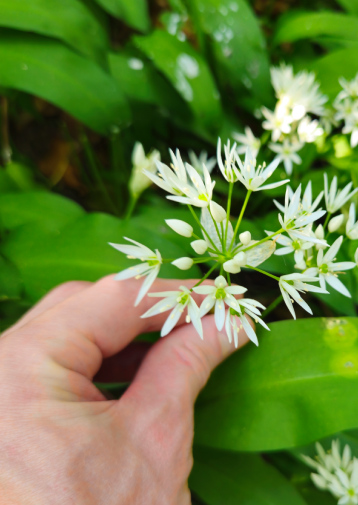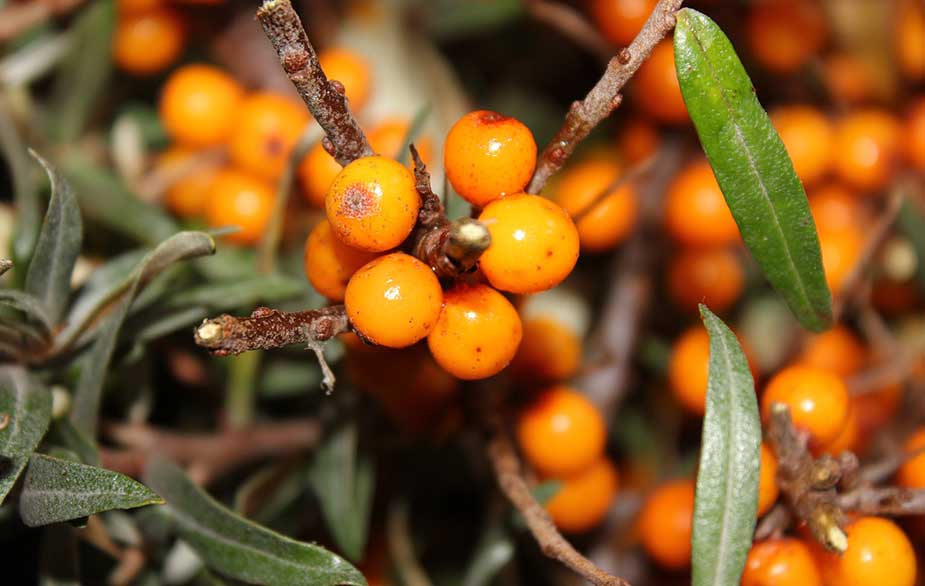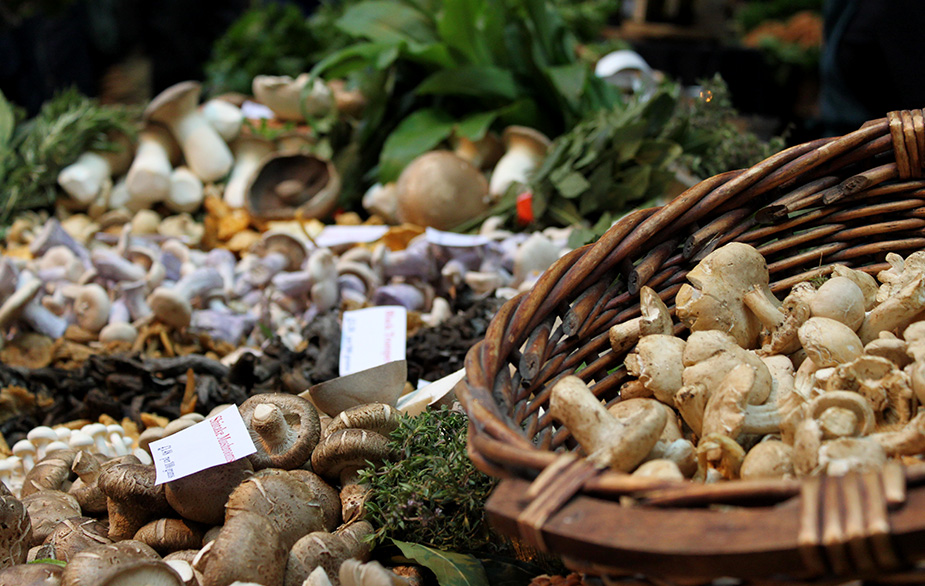
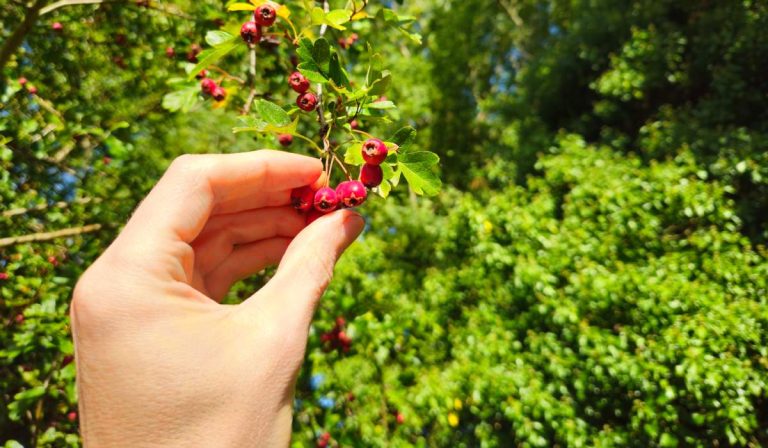
Is foraging harmful to wildlife? That looks like a reasonable question. Picking wild fruits, mushrooms or herbs does mean taking something from the landscape. So surely, if we take food, there’s less left for wildlife?
That sounds logical, but it assumes nature works rather like a supermarket. A fixed amount of food exists, wildlife needs its share, and anything we take comes directly out of theirs. However, nature is more complicated than that.
Responsible foraging takes place within living, changing ecosystems. Understanding those ecosystems helps us see where the real problems lie, what responsible harvesting actually means, and why foraging connects you with the land.
Debunking Media Myths
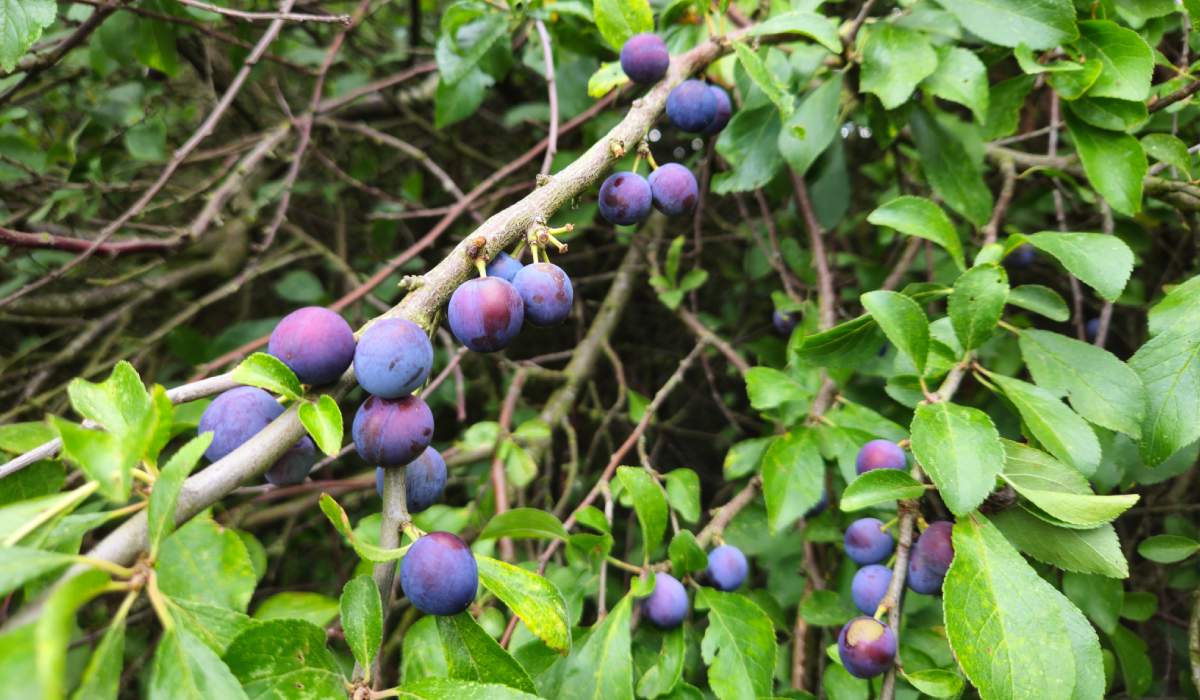
Stories about “greedy foragers” stripping the countryside bare make good headlines. There are certainly people who forage irresponsibly. But the existence of bad practice doesn’t tell us what foraging itself does to wildlife.
Most people aren’t stripping woodland of mushrooms or clearing hedgerows of every berry. Most foraging is far more modest: a basket of apples from a tree. A handful of blackberries. Some elderberries to make syrup. A few leaves for dinner.
The important question isn’t whether a forager has taken something wildlife could potentially eat. Of course they have.
The question is whether that harvest is significant enough to affect the plants, the habitat, or the wildlife that depends on them.
That’s a very different question.
To answer it, we need to stop looking at an individual berry in isolation and start looking at the ecosystem around it.
The Real Threats to Wildlife
If we’re genuinely concerned about wildlife, it’s worth looking at what is actually driving its decline.
- Habitat loss and fragmentation.
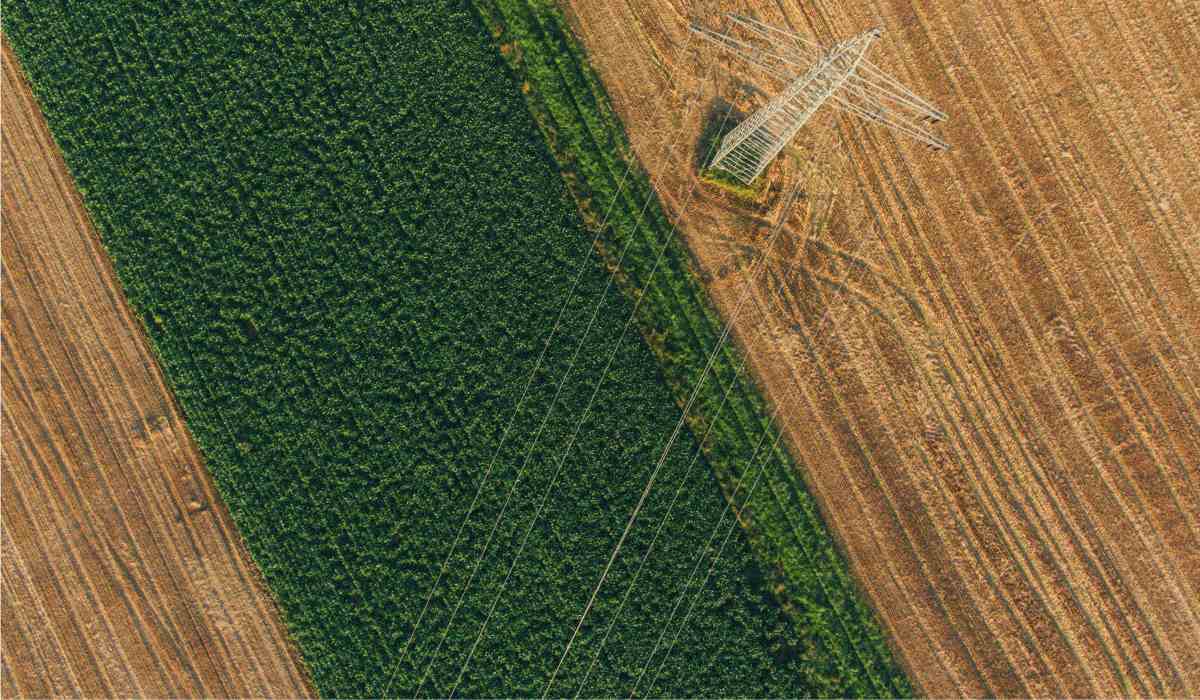
- Intensive agriculture.
- Pesticides and chemical pollution.
- The degradation of grasslands, wetlands, hedgerows and woodlands.
- Urban development and infrastructure.
- Climate change.
These pressures alter entire landscapes and the wildlife they support.
Against that background, a person picking a handful of blackberries from an abundant hedgerow is a very different kind of activity.
This doesn’t mean recreational foraging can never cause damage. Heavy harvesting in a sensitive location, collecting scarce species or repeatedly taking too much from one population can have consequences.
But responsible foraging should be judged by its actual ecological impact, not by the simple idea that anything humans take from nature must be harmful.
If wildlife decline is the concern, we need to look at the pressures changing habitats at scale, rather than treating every wild-food collector as a threat.
Every Food Choice Has an Impact
There is another part of this conversation that is often overlooked: if we choose not to forage, we still have to eat, and every food choice has an impact. Meat or plant-based. Farmed or wild. Nothing is neutral.
Food requires land, water, energy, transport and infrastructure. Farming can involve pesticides, fertilisers, soil degradation and habitat loss. Food grown in one part of the world can affect wildlife thousands of miles away.
Is it more ethical to destroy rainforest to grow tropical crops? To drain Mediterranean landscapes so the rest of Europe can eat veggies? Are salad leaves wrapped in plastic really gentler on the planet than picking common herbs growing around you?
So avoiding local foraging while fully supporting industrial food systems doesn’t reduce harm. It simply exports it elsewhere. Wildlife depends on healthy landscapes everywhere, not just in Britain. Pretending we’re “protecting nature” by refusing to forage locally while supporting ecological damage abroad doesn’t make sense.
Thinking about food this way puts everyday choices into perspective, because you see the whole picture. What is the actual impact of my food choices and what alternatives am I comparing it with?
Abundance, Not Scarcity
This is where understanding the plants we forage becomes important.
Most responsible foragers focus on species that are common and abundant, such as blackberries, elderberries, rosehips and apples. A productive hedgerow can contain far more fruit than a single person could ever use.
We sometimes talk about wild food as though every berry belongs to a bird, every acorn to a squirrel and every mushroom to a slug waiting for us to leave. But ecosystems don’t work through fixed portions.
Fruit is eaten by birds and mammals, falls, rots, or has its seeds dispersed. Some years produce enormous crops, others very little, and wildlife responds to those changes too.
This is why responsible foraging starts with abundance. We don’t need to take everything just because it is there. But neither should we assume that taking something automatically means taking it away from wildlife.
A productive blackberry bush can feed many species and still leave plenty for a careful forager: take from abundance, not scarcity.
Foraging, Food Systems, and Finding Balance
Foraging won’t feed us entirely, nor should it. Most of us will continue to buy grains, pulses, oils, salt and countless other foods that are difficult or impossible to gather ourselves. The point isn’t purity. It’s balance.
Adding wild, local and seasonal foods to the food we already eat can give us a different relationship with what is on our plate.
Instead of expecting every food to be available all year, we begin to notice when things appear. Blackberries have a season. So do wild garlic and elderflower. The landscape starts setting the menu, and that changes something beyond the food itself.
You begin to notice which hedges are healthy. Which trees are fruiting heavily. Which areas have been cut. Which plants are disappearing. Which places hold water. Which flowers attract insects.
Food becomes connected to place again.
Foraging Builds Understanding
Perhaps one of the most overlooked benefits of foraging is that it challenges the idea that food is simply a product.
A blackberry is no longer just a blackberry. You know the plant, its seasons, the habitat it grows in, and the insects and birds that depend on it.
The more you notice, the less abstract “nature” and “the environment” becomes. A hedge is no longer just a line of vegetation. It becomes food, shelter, habitat and a web of relationships.
It becomes the patch of woodland you visit every week, the old apple tree you watch through the seasons, or the hedgerow where you collect a few berries each autumn.
That knowledge matters. Foraging doesn’t automatically make you a conservationist, but it can make you care more deeply about the places that feed you.
You don’t have to eat everything nature provides. But once you know where your food comes from, it becomes much harder to ignore what happens to the landscape that produces it.
Responsible vs Irresponsible Foraging
Of course, foraging can be done badly. People can take too much. They can damage plants through careless harvesting. They can collect rare or vulnerable species. They can disturb habitats or wildlife.
That’s why responsible foraging matters.
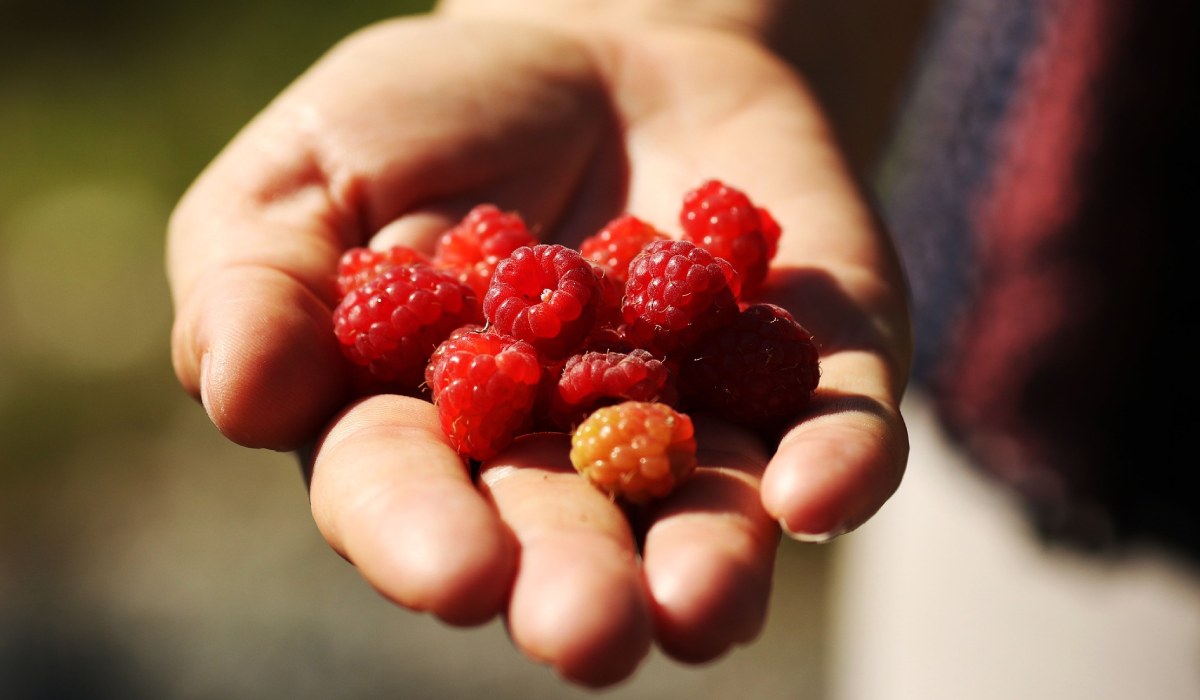
Good foraging isn’t about taking whatever you can find. It’s about understanding what you’re looking at, knowing when a plant is abundant, taking only what you need and leaving plenty behind.
Sometimes the right decision is not to pick. That isn’t a contradiction. It’s part of learning to read the landscape. And responsible foragers have a very good reason to care about the places they collect from.
Destroy the resource and you’ve destroyed your own food supply. Damage the habitat and you’ve damaged the system that supports the plants you want to find.
Foraging works best when you think beyond the individual plant. What is growing here? What depends on it? How much is there? How much do I need? What will I leave behind?
The Takeaway
There is no way of feeding ourselves without having an impact on nature. The question is what that impact looks like.
A handful of berries taken from an abundant hedgerow is not the same ecological event as destroying a habitat, intensifying a landscape or polluting a river. And that doesn’t give foragers a free pass: it gives us a reason to be thoughtful.
Foraging, done well, isn’t about taking as much as nature will give us. It’s about learning enough about nature to know when, where and how much to take. And perhaps that is one of its greatest benefits.
When food comes from a supermarket shelf, the landscape that produced it can remain invisible. When you forage, it becomes harder to look away. You start noticing what’s around you. You begin to understand that you’re not standing outside nature, taking from it. You’re part of the same system that everything else is part of.
So perhaps the better question isn’t:
“Should we leave it all for the birds?”
Perhaps it’s:
“Can we learn to take our share without forgetting that we’re part of the same living landscape?”
I think the answer is yes. And the more people who learn to see the land that way, the better.