
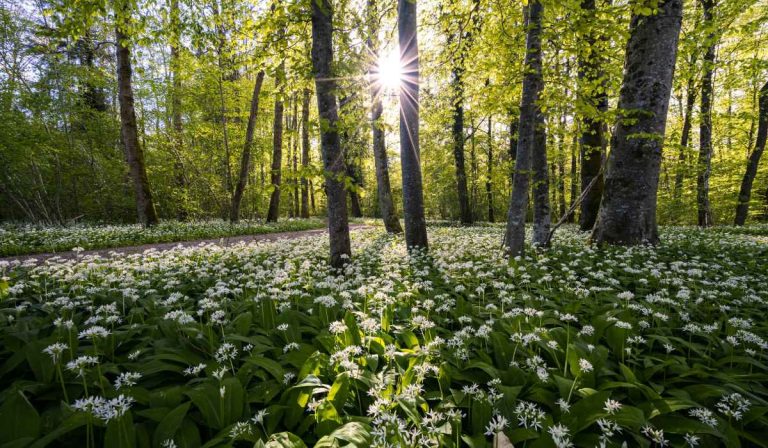
Before learning which plants are edible, or how to harvest them safely, it helps to understand what sits underneath good foraging.
Foraging isn’t only about knowledge or technique. It’s shaped by how you pay attention, how you learn over time, and how you relate to land, plants, and people.
This page sets out the foraging values that guide my work: how I forage, teach, host walks, and build community.
They aren’t rules to perform or ideals to signal. They’re ways of paying attention that deepen with practice, season by season.
Values Are Not Rules
These are not instructions.
You’ll find clear guidance on safety, legality, and sustainability in the responsible foraging article. You’ll also find my personal approach in my manifesto.
This page sits beneath both.
Foraging values guide how you think, notice, and decide, especially in moments where there’s no checklist to follow. They shape judgement, confidence, and care long before anything is picked.
The Core Foraging Values
Attention comes first
We begin with noticing, not naming.
Shape, smell, habitat, season, and behaviour tell stories long before labels do. Attention builds understanding and instinct over time. It’s the foundation for safety, confidence, and a real relationship with the land.
Without attention, foraging becomes rushed and shallow. With it, even familiar places continue to teach.
Safety Through Understanding, Not Fear
Foraging carries responsibility.
Safety here isn’t driven by anxiety or rigid rules, but by clarity and care. We learn plants in context, understand lookalikes, and move at a pace that allows knowledge to settle.
Confidence grows quietly when attention is practised well.
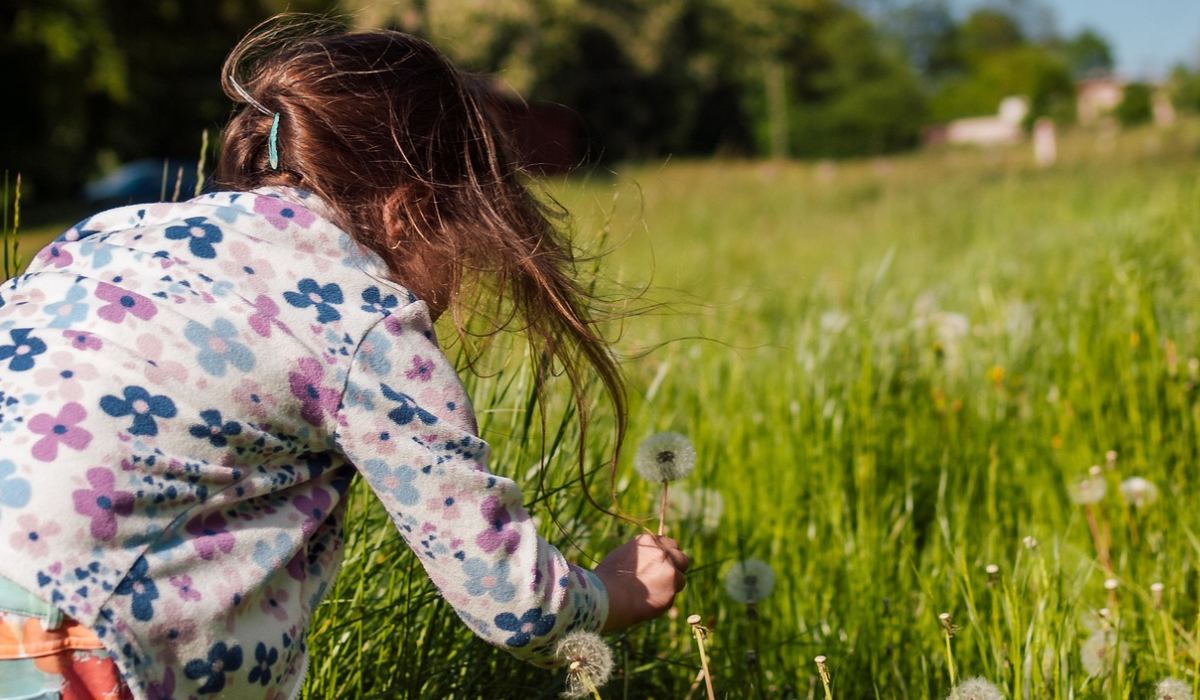
Lifelong Learning
There’s no finish line in foraging.
Each season offers something new. Returning to the same places reveals patterns that shortcuts never teach. Learning is slow, embodied, and ongoing, not a race to know more plants, faster.
Foraging rewards patience far more than memorisation.
Abundance with Responsibility
Nature is generous, but generosity has rhythm.
Harvest is guided by season, regeneration, and place. Abundance isn’t an open buffet. It’s something to participate in with respect.
“Enough” is learned over time, not decided in advance.
Connection Before Extraction
Foraging starts with presence.
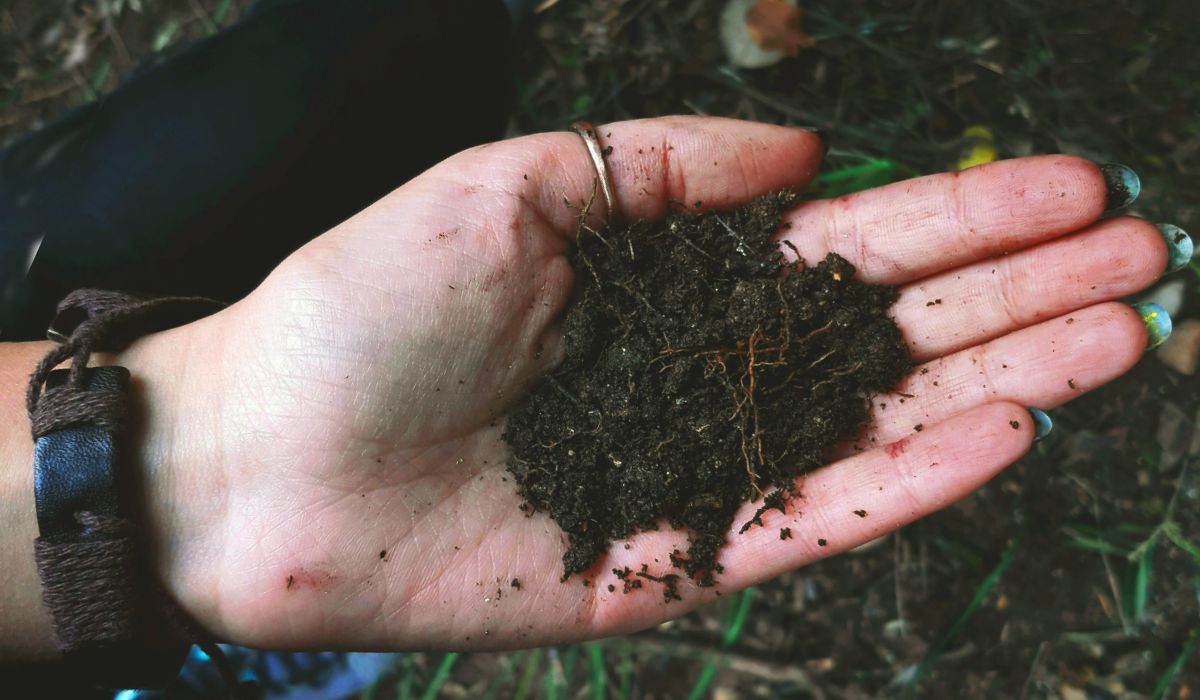
We slow down, listen, and build a relationship with the places we visit before taking anything. When connection comes first, harvest follows more naturally and responsibly.
This value keeps foraging grounded, human, and rooted in place.
Nourishment Beyond Food
Foraging feeds more than the body.
Time outdoors can help us slow down. Attention changes how we experience familiar places. Movement gets us outside and into the landscape. Wild plants provide food, but the experience of foraging can offer something beyond what ends up on the plate.
Health here is lived, not optimised.
Food as Culture and Exploration
Wild food carries memory.
Plants connect us to place, history, and tradition. Cooking becomes an act of attention, a way to explore flavour, culture, and inherited knowledge.
Foraging isn’t just gathering ingredients. It’s joining a long conversation between land, people, and food.
Play, Curiosity, and Creativity
Foraging invites experimentation.
Curiosity sharpens the senses. Play keeps learning alive. Creativity turns knowledge into lived experience, in the kitchen, on walks, and in how you share what you’ve learned.
Serious attention doesn’t require solemnity.
Community and Shared Knowledge
Foraging knowledge grows stronger when shared.
Walks and courses are gatherings, places to learn together, share food, listen, and build connection. Passing knowledge forward helps keep skills alive and communities rooted.
Foraging can be deeply social, even when the learning begins with one person and a single plant.
Quiet Independence
Foraging builds a calm kind of freedom.
Not self-sufficiency for show, but competence you can rely on. Knowing where food comes from. Trusting your senses. Moving through land with confidence rather than fear.
This is independence that steadies rather than isolates.
A Note on Practice
These are my values.
They weren’t designed in advance, and they didn’t arrive all at once. They formed slowly, through time outdoors, mistakes, curiosity, and repeated return to the same places.
You don’t need to take all of this with you.
Some of these values may already feel familiar. Others may not serve you, or not yet. Foraging has room for that. What matters is finding ways of paying attention that fit your pace, your landscape, and your reasons for being there.
Foraging doesn’t ask for agreement.
It asks for presence, and for care that grows through practice.

4 thoughts on “Foraging Values: What Matters When We’re Learning to Forage”
Hi Alvaro
I have just come in from outdoors, I was checking on one of my Forsythia shrubs that I had pinned down for layering. Looks like, come Autumn I’ll have 3 or 4 for potting up. I’ve been doing this for years, they are very easy to propogate. Then I read your post about Forsythia, I never knew they are edible. I’m well pleased, will learn more about them now. Thanks.
Hi Geraldine, while the flowers are edible, that doesn’t necessarily make them tasty. I think they’re better suited for decoration in small quantities.
Love this, sending to my sister as I think she’ll like it too. I’d like to connect more with the area around me but I’m not sure where to really go to start foraging myself.
Hi Gemma, thanks for your feedback! If you’re subscribed to the newsletter, keep an eye on your email, as I’ll be covering more on that soon.