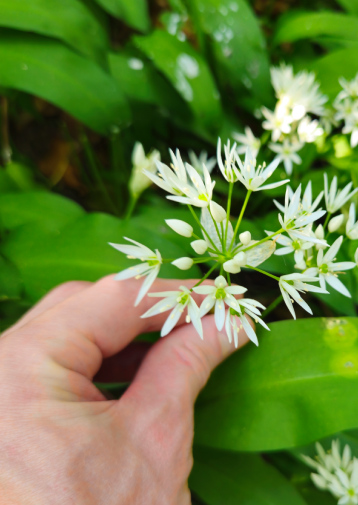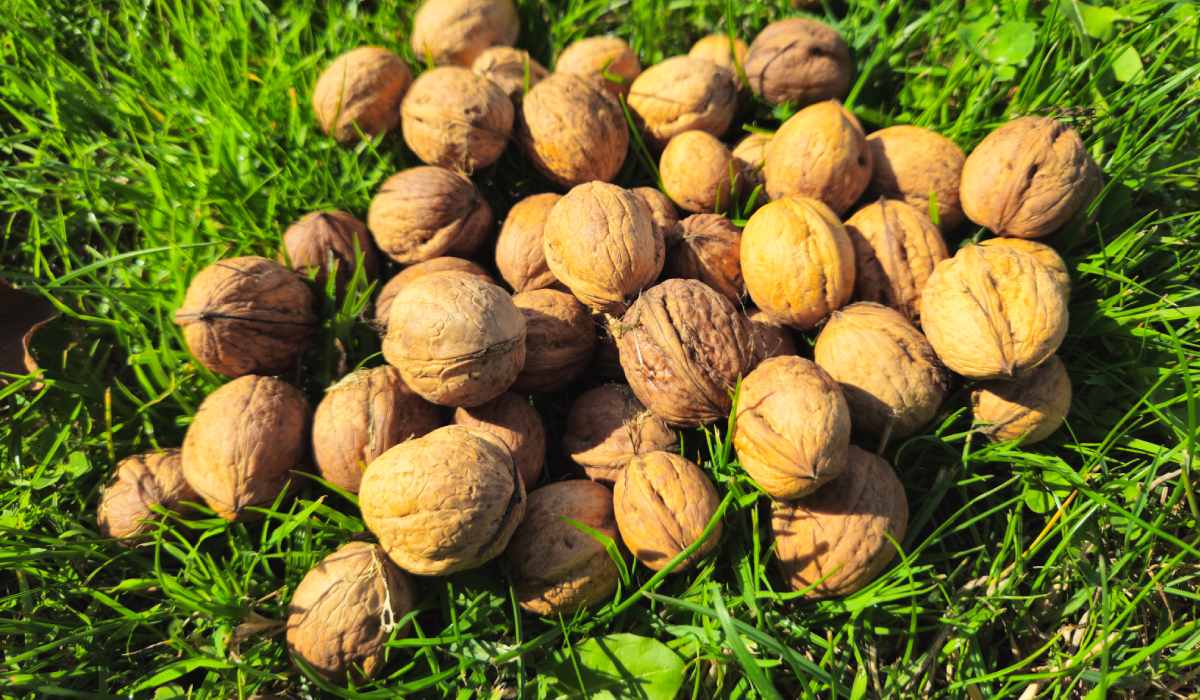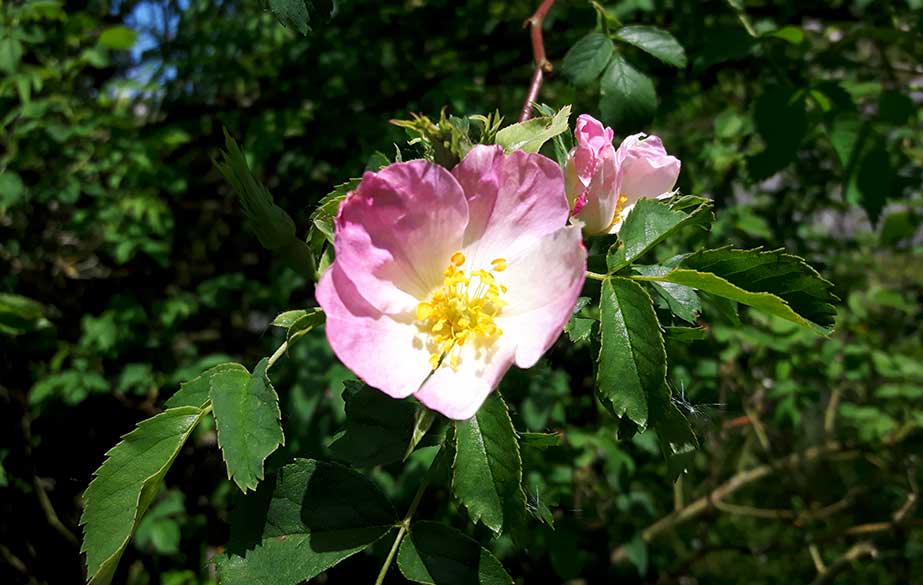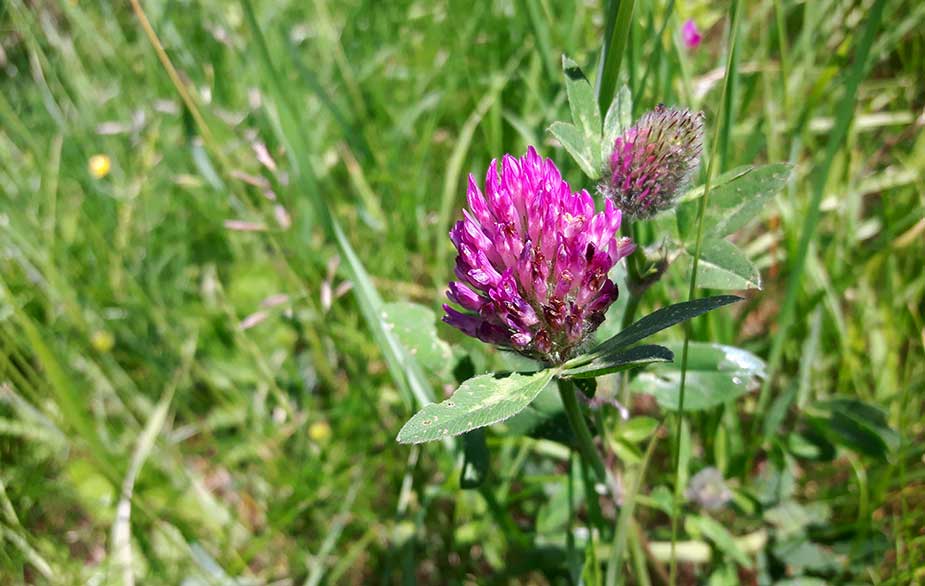
This is my way of moving through the landscape: with care, curiosity, and respect.
These principles guide how I forage, teach, and share wild food. They’re practical, grounded, and shaped by years of walking the same paths, season after season.
Take them slowly. Let them settle. They’re here to steady your hands before you ever pick a leaf.
1. Slow Down Before You Pick
Foraging doesn’t begin with harvest. It begins with looking — and learning the land.
I stop. I notice what’s growing, what’s flowering, what’s already gone over. Rushing leads to mistakes. Slowness builds familiarity, and familiarity builds safety.
A mindful pace turns foraging from a grab into a conversation. The land speaks first. My hands move later.
2. Learn Plants as Individuals, Not Lists
I advocate for depth of relationship over quantity of knowledge.
I get to know plants as individuals: their shape, their smell, the way their leaves change through the year. Like people, they have character. I take time to notice it.
Lists fade. Relationships stick. I remember a plant the way I remember a face.
3. I Use My Senses First, Books Second
Good identification is sensory.
Texture, scent, colour tone, sap, sound underfoot. Books and keys confirm what the body already suspects.
If a plant can’t be recognised through the senses, it isn’t ready to be eaten.
4. Start Where You Are
I don’t chase rare finds or remote locations.
Most of my foraging happens along local hedges, woodland edges, paths, and familiar ground. Ordinary places hold extraordinary food, if you pay attention.
You don’t need better land. You need better noticing.
5. Harvest Only What You Need, Sustainably
I take what I’ll genuinely use, and no more.
Enough for my meals. Enough to preserve for the long term. Enough to learn. Quantity is always shaped by how common a plant is, the size of the population, and how resilient it can be.
Abundance isn’t proven by baskets. It’s proven by return.
6. Never Forage on Hope
Hope is not a strategy.
If there’s doubt, I walk away. If identification isn’t solid at every stage of growth, I don’t eat it.
There will always be another plant. There may not be another chance.
7. Let the Season Lead
I don’t force plants into recipes.
I cook what’s ready, not what I fancy. Spring is lean and green. Summer generous. Autumn grounding. Winter restrained.
Seasonality isn’t aesthetic. It’s nature.
8. Cook Simply, to Understand Better
Early on, I keep cooking plain.
One plant. One method. This teaches flavour, strength, and tolerance. Complexity comes later.
If you can’t taste the plant, you haven’t learned it yet.
9. Forage as Part of a Wider Life
Foraging isn’t a standalone hobby.
It fits naturally alongside hiking, outdoor exercise, cooking, and moments of mindfulness. Each walk, each meal, each pause connects you more deeply to the land.
You don’t conquer landscapes — you join them, because you are part of nature.
10. Teach Only What You’ve Lived
I share only what I practise.
No shortcuts. No second‑hand certainty. If I haven’t eaten it, cooked it, returned to it, I don’t teach it.
Trust is earned slowly — the same way plants are learned.
If This Way of Foraging Speaks to You
These principles shape everything I offer: walks, writing, and quiet guidance for those who want to learn without noise.
They sit alongside the values that guide how I work, share, and make decisions. You can read those here.