
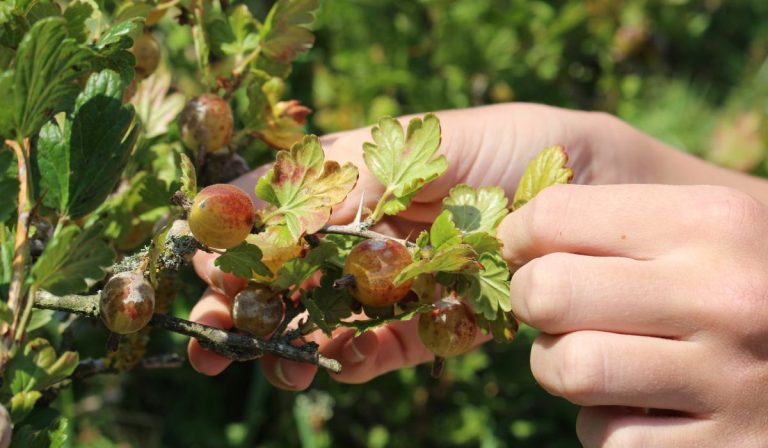
Foraging is often made to sound more complicated than it is. You might picture someone disappearing into the woods with a basket, searching for obscure mushrooms or plants that most people have never heard of.
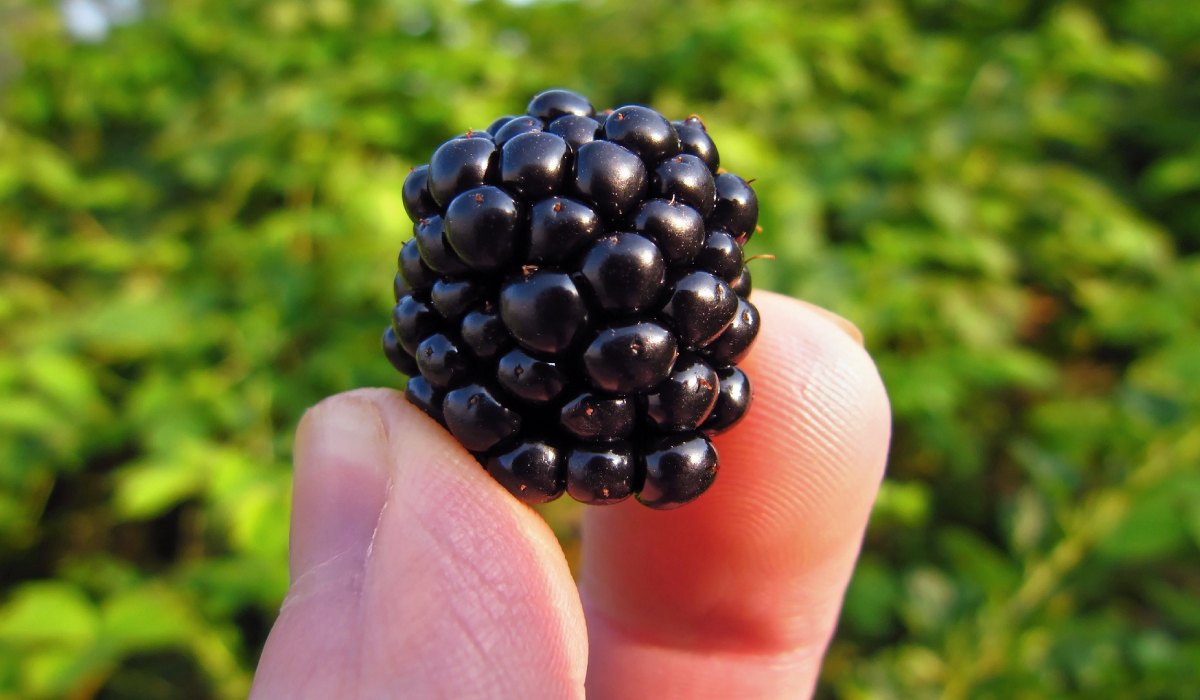
However, foraging can begin much closer to home. If you’ve ever plucked a blackberry from a hedgerow, an apple from a tree or picked sloes to make your Christmas gin, you have already foraged. Yes, even you.
But foraging is about more than picking wild food. It is about learning to recognise what grows around you, understanding when it appears, and becoming more attentive to the landscape you move through.
What Is Foraging?
Foraging is the practice of searching for, identifying and gathering wild foods that grow without being deliberately cultivated.
This can include plants, fruits, nuts, mushrooms, seaweeds and, in some circumstances, other wild foods such as shellfish. The important word is wild.
A crop deliberately planted and managed for harvest is agriculture. A blackberry growing naturally along a hedgerow is something you might forage.
But there is another part of foraging that is easy to overlook. You have to learn to see before you learn to gather.
A patch of nettles is no longer simply a patch of weeds once you know what you are looking at. A hedgerow begins to reveal hawthorn, elder, rose and blackberries. A familiar park can become a seasonal map of flowers, leaves, fruits and seeds.
Foraging changes your relationship with ordinary places because you start paying attention to what is already there. And that is often where the real journey begins.
Foraging Is More Than Picking Wild Food
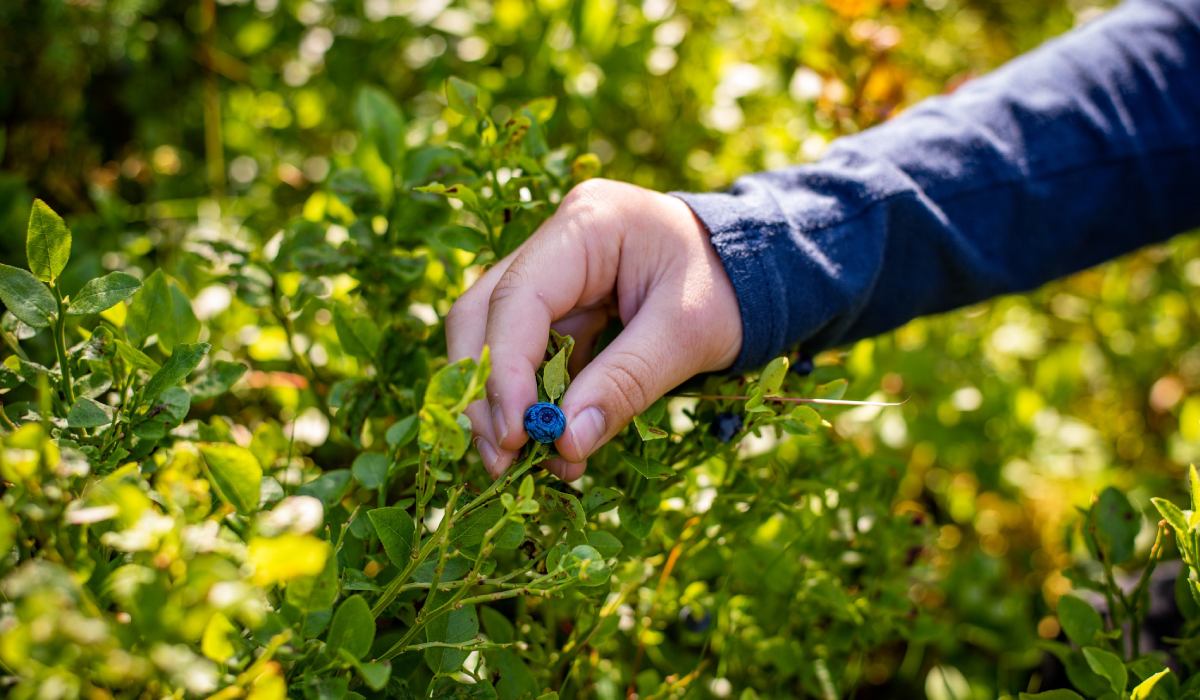
It is tempting to think that the aim of foraging is to come home with something in your basket. It isn’t. The harvest is only one part of the process.
A good forager learns to recognise plants, understand their habitats, follow their seasonal changes and make sensible decisions about whether a plant should be gathered at all.
Sometimes you find something edible and leave it where it is.
Perhaps there isn’t enough of it. Perhaps it is growing in a poor location. Perhaps you are not completely certain of its identity. Perhaps you simply want to watch how it develops.
Not picking something can be part of foraging too.
This is why I think attention comes before harvesting. The more you notice, the more you learn. The more you learn, the more confidently you can make decisions.
Over time, a walk that once seemed ordinary starts to become much more interesting.
A Brief History of Foraging
For most of human history, gathering wild foods was not a weekend hobby. It was part of how people obtained food.
Long before modern agriculture and supermarkets, people depended on a mixture of hunting, fishing, gathering and cultivated foods. Wild plants provided leaves, roots, fruits, nuts, seeds and other useful ingredients.
Those traditions did not disappear overnight. People continued to gather wild foods alongside farming, particularly seasonal fruits, nuts, herbs and other plants that were readily available.
But as agriculture became more dominant and food systems became increasingly commercialised, many of those everyday skills became less necessary.
Today, most of us can eat without knowing what is growing outside our front door. That convenience has its advantages. But it also means that a surprising amount of practical knowledge can disappear within only a few generations.
The plants themselves have not gone anywhere. The knowledge of noticing them is what we have to rebuild.
Why Learn Wild Food?
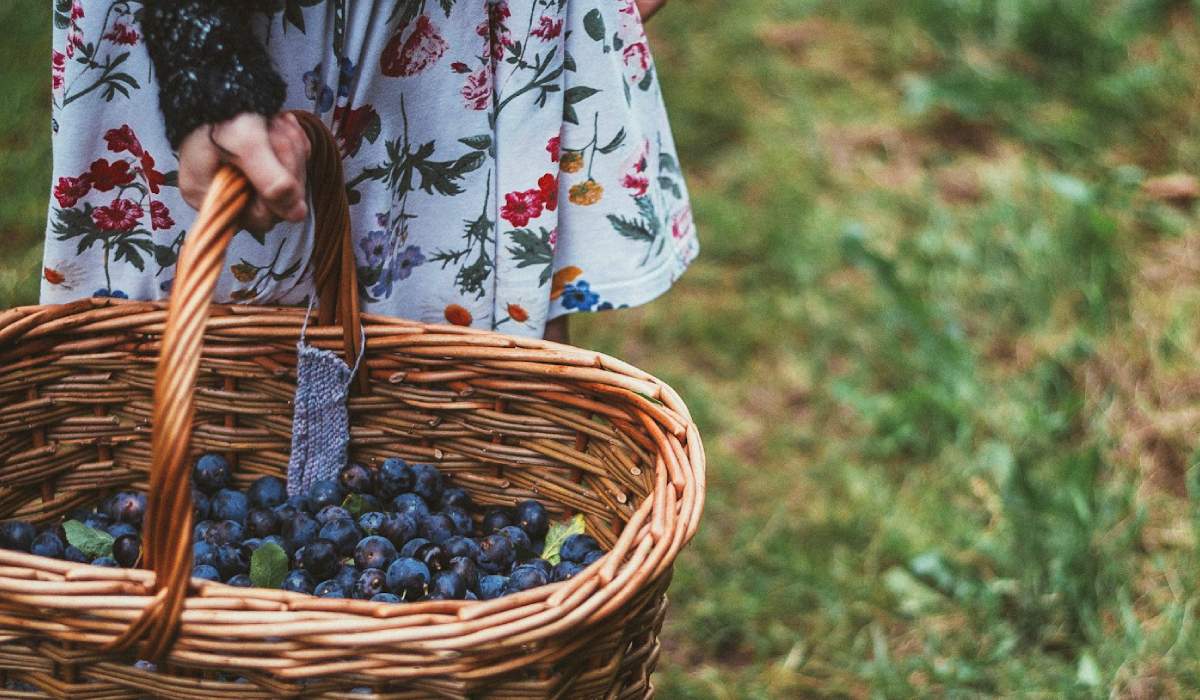
One reason to forage is simple: wild food tastes good. A ripe blackberry picked straight from a bramble is different from one bought in a plastic punnet. Common hogweed, wild garlic, sorrel, elderflowers, crab apples and hazelnuts each have their own character and season.
Wild foods also introduce flavours and ingredients that rarely appear in ordinary supermarket shopping. You might make elderflower cordial in early summer, collect sloes later in the year, gather acorns in autumn or turn crab apples into something sharp and fragrant.
There is something satisfying about eating a food that you have learned to recognise yourself. But the value is not only culinary. Foraging encourages you to notice season, habitat and change.
You begin to recognise that a particular plant appears in spring, flowers a few weeks later, fruits in another season and then disappears back into the landscape.
Food stops being completely detached from place and time. You begin to know where it comes from because you have actually watched it grow.
Where Does Foraging Happen?
You do not need to travel deep into the countryside to forage. Wild foods can grow in woodlands, hedgerows, meadows, parks, gardens and other suitable habitats. Some even grow in places you pass every day without noticing.
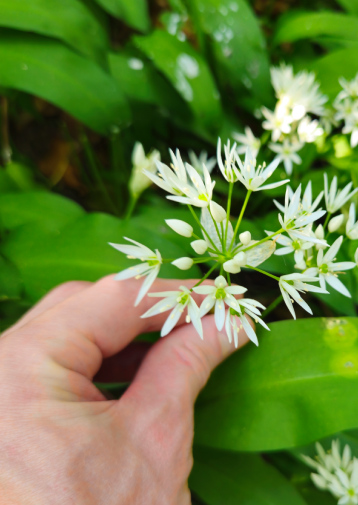
A spring walk might reveal wild garlic beneath trees. Later in the year, the same route might offer blackberries, elderberries or crab apples.
A hedgerow can change dramatically over the course of a season. This is one of the things that makes foraging so rewarding. The landscape is not static. Go back to the same place a month later and it may have something completely different to show you.
You also begin to notice that plants have preferences. Some favour damp ground. Others thrive in disturbed soil, woodland shade, grassland or sunny edges.
Learning these patterns helps you find plants, but more importantly, it helps you understand them.
How to Start Foraging
You do not need a degree in botany or a lifetime of experience. You need curiosity, patience and a willingness to learn properly.
The mistake many beginners make is trying to learn too much at once. There are thousands of plants around us, but you don’t need to learn them all.
Start Small and Build Confidence
Choose one or two common plants and get to know them well.
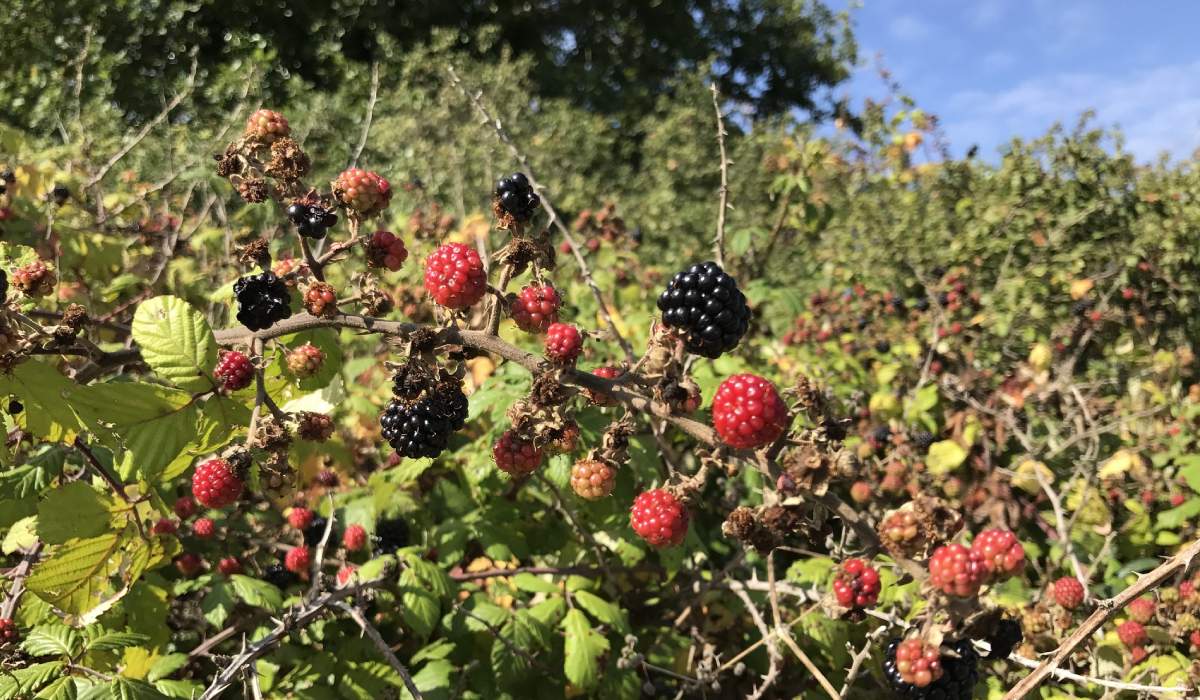
Blackberries are a good example. Instead of simply learning that the fruit is edible, look at the plant itself. Notice the leaves. Look at the stems and thorns. See where it grows. Watch how the flowers become fruit. Notice when the berries ripen and how their flavour changes.
Then do the same thing with another plant.
This approach may feel slower at first, but it builds something much more useful than a long list of names. You are learning how to recognise a plant, not simply memorising a photograph.
A good foraging guide can help, particularly when it gives you several identification features rather than relying on a single photograph.
And don’t be afraid to spend time looking without picking anything. Observation is not wasted time. It is part of the skill.
Learn Before You Taste
Eating a wild plant should never be the first step in identifying it.
Before tasting anything, you need to be completely certain of its identity and know that the part you intend to eat is suitable. Some edible plants have poisonous relatives or lookalikes. Some plants are only suitable at particular stages or require preparation.
This is why confidence alone is not enough.
You want certainty based on identification, not simply a feeling that something looks familiar. If you are unsure, leave it alone and keep learning. For more on developing a safe and responsible approach, see my guide to responsible foraging.
Foraging Safely and Responsibly
Knowing how to identify a plant is only part of becoming a good forager.
You also need to think about where it is growing, whether you have permission to gather it, how much you take and what effect your harvesting might have.
Not every edible plant should be picked. Avoid plants growing where contamination is likely, and be particularly cautious around roadsides, areas treated with chemicals and places where you cannot establish that gathering is appropriate.
You also need to respect land, wildlife and other people.
Foraging is not simply a case of finding something edible and taking as much as you can. A responsible forager pays attention to abundance and leaves plenty behind. The aim is not to empty the landscape. It is to take a little from a living landscape while remaining part of it.
Foraging Changes What You Notice
Perhaps the most interesting thing about learning to forage is what happens when you stop looking only for food.
You start noticing plants before you think about eating them. You recognise a familiar leaf from a distance. You know which flowers appeared a few weeks earlier. You remember where a particular tree grows. You notice that the same walk feels different from one season to the next.
Eventually, you may find yourself slowing down without consciously deciding to.
That is one of the quiet rewards of foraging. You are not simply learning which plants are edible. You are learning how to pay attention to the place you live.
Conclusion
Foraging can begin with something as ordinary as a blackberry.
You notice it. You wonder what it is. You learn to recognise it. You discover when it appears, where it grows and what you can do with it. Then, perhaps, you taste it.
From there, one plant becomes two. Two become five. Familiar paths become more interesting. Seasons become easier to read. There is no need to rush.
You do not become a better forager by collecting the biggest basket. You become one by learning to see more.
If you are new to foraging, the best place to begin is learning a few common wild plants and spending time with them. And if you would like to keep learning what to notice through the seasons, you can join my newsletter below.

3 thoughts on “What Is Foraging? A Guide to Finding and Learning Wild Food”
Nice reading. It is very true that we take for granted the supermarket shelves that are laden with produce from all four corners of the globe.There seems to be only a minority that take a look at the carbon footprint. I think it would be nice to see the mileage covered from harvest to market labeled on the product.I have an allotment and use no chemicals at all.I make my own jams,chutney’s and fruit infused vinegars,some with things foraged and some grown.I would like to do more foraging but have limited knowledge, could you recommend a book.thanks Steve.
Hi Steve,
Simple lifestyle changes can reduce our carbon footprint and growing our own is one of the best things we can do, not just for the environment but for our own health. There’s nothing more enjoyable than homemade preserves! I will publish a list of recommended books for foraging very soon, watch this space!
Thanks for your comment.
Alvaro