
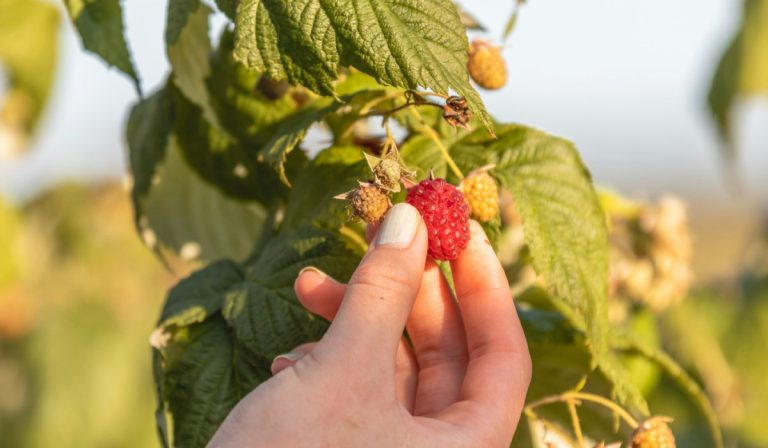
Foraging is often presented as a way to find free food. And that is certainly part of the appeal. But the food is only the beginning.
Once you start looking for wild plants, an ordinary walk becomes more engaging. You move, observe, use your senses, learn, remember, and gradually become more confident in what you see.
Along the way, you discover new flavours, add variety to your diet, and begin noticing things that were always there, but easy to miss.
Foraging Gives You a Reason to Get Outside
Going for a walk is good for you. Going for a walk because you’re looking for something can make it much easier to get outside. That is because foraging gives ordinary walks a small sense of purpose.
Instead of simply passing a hedgerow, you’re wondering what might be growing there. Instead of walking past a tree, you might stop to see whether its fruits are ripe.
The physical activity varies. Some foraging involves plenty of walking, while other outings involve more crouching, reaching, bending, or carefully moving through uneven ground.
It isn’t a substitute for dedicated exercise, but it can be a pleasant way to build more movement into your day without treating every outing like a workout.
And because you’re looking for something, you may find yourself walking further or staying outside longer than you otherwise would.
It Makes You Pay Attention
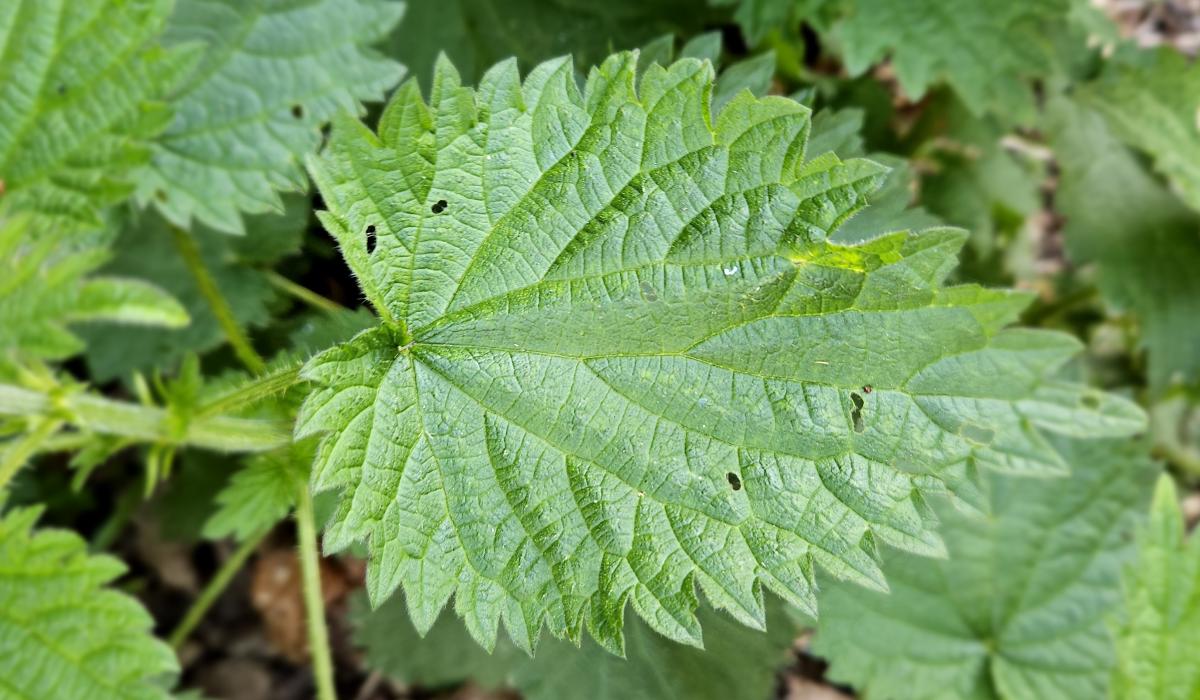
Foraging teaches you to notice things that are easy to overlook. A plant is no longer just a patch of green. You start seeing the shape of its leaves, the arrangement of its flowers, the texture of its stem, its smell when you crush a leaf, and the habitat where it grows.
You notice what is flowering now. Then what is fruiting. Over time, you may even start anticipating what will appear next.
That kind of attention can make familiar places feel surprisingly different. A walk you’ve taken dozens of times can suddenly reveal plants, colours, scents, and seasonal changes you had never properly noticed.
And there is something quietly satisfying about that. You aren’t trying to empty your mind or force yourself to be mindful. You simply have something real to pay attention to.
It Gives Your Brain Something to Do
Learning plants is a surprisingly active form of learning.
When you’re trying to identify something, you’re comparing what you see with what you already know. You might consider its leaves, flowers, smell, habitat, season, and possible lookalikes before deciding what you’ve found.
Then you have to remember it. And the next time you see the plant, you get to test that memory.
This is part of what makes foraging satisfying. Knowledge doesn’t remain abstract. You can walk outside and actually find the thing you learned about.
The more you practise, the more quickly you begin to recognise familiar plants. That growing familiarity can be rewarding in itself. You are building a body of practical knowledge that becomes more useful every season.
Wild Food Makes Eating More Interesting
There are flavours in the wild that are difficult to reproduce in a supermarket.
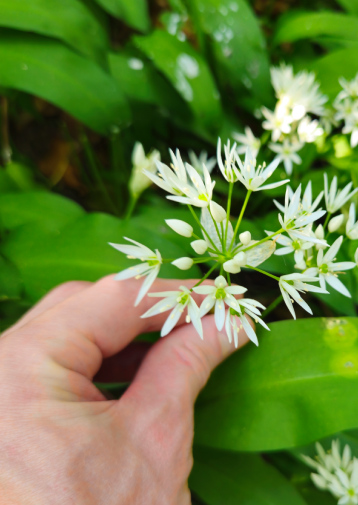
Wild foods carry character. The tang of wood sorrel, the scent of elderflower, the garlicky punch of wild garlic underfoot. These flavours awaken the palate in ways supermarket food rarely does. The taste is inseparable from the experience: picking a sun‑warmed berry, smelling the earth, feeling the crunch of leaves.
The pleasure isn’t only in eating them. It begins with finding the plant, recognising it, deciding whether it is suitable to harvest, and taking it home.
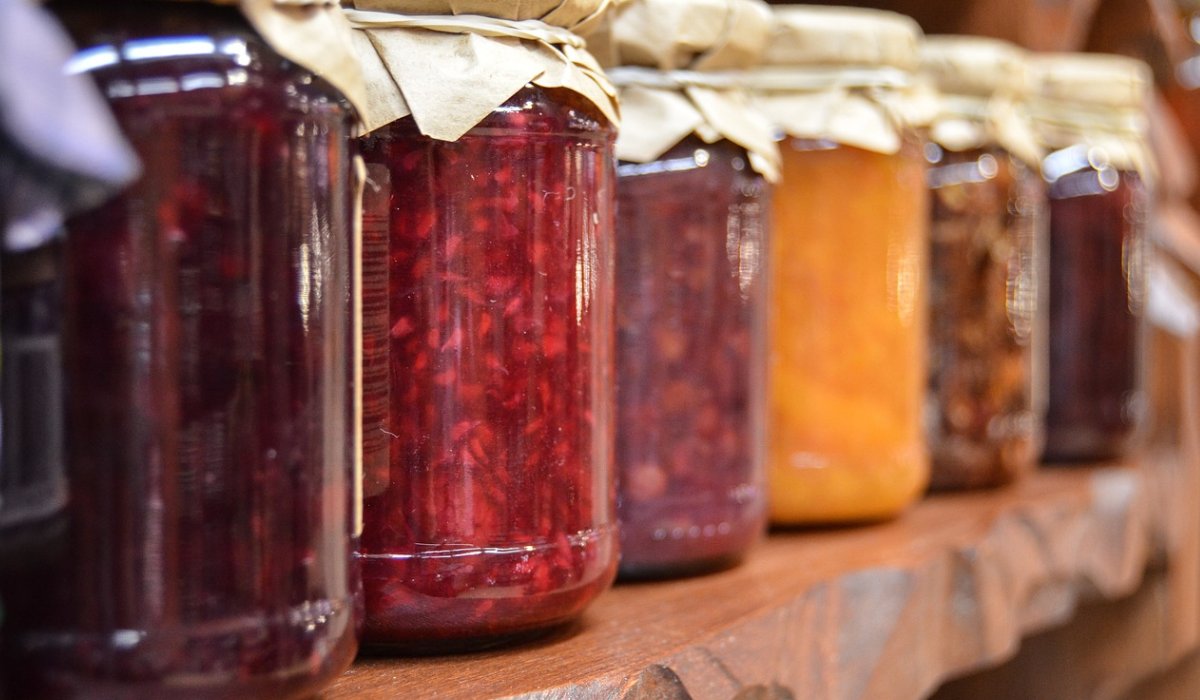
Then you get to decide what to do with it. A handful of sorrel can brighten a salad. Wild garlic can go into pesto. Elderflowers can become a cordial.
Wild food encourages curiosity in the kitchen because you are working with ingredients that change with the season. You don’t simply buy an ingredient because a recipe tells you to. You start with what is actually growing.
Some Wild Foods Are Genuinely Nutritious
Wild food should not be treated as a magical category of superfoods. But some wild plants are excellent sources of nutrients, and they can make an interesting contribution to a varied diet.
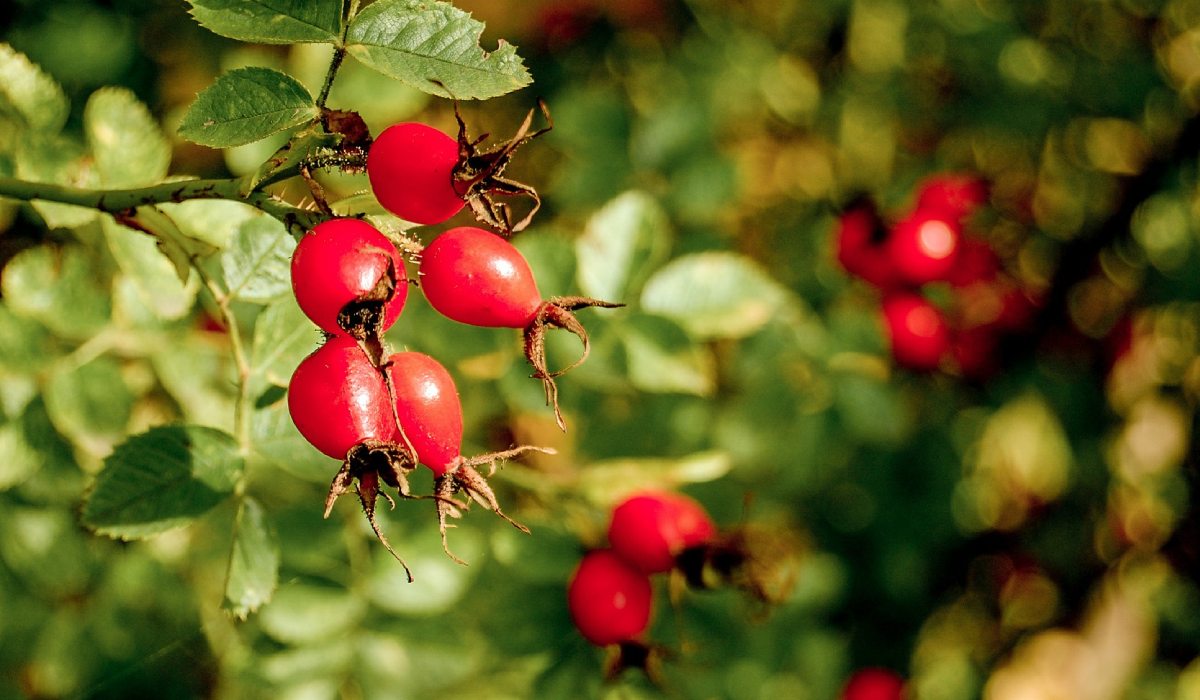
Nettles, for example, contain protein and a range of vitamins and minerals. Rosehips can be particularly rich in vitamin C, while berries such as blackberries contain fibre and antioxidants.
Unlike supermarket greens bred for yield, shelf-life, and transport in mind, wild plants grow according to the conditions of the place and season. That can give them distinctive flavours, textures, and nutritional profiles that are sometimes quite different from cultivated crops.
The exact nutritional value of a wild food varies according to the species, plant part, age, season, growing conditions, and preparation.
That is why I prefer to think of wild food as another part of a varied diet, rather than something inherently better than cultivated food.
You Build Skills and Confidence
One of the quiet pleasures of foraging is becoming better at something.
At first, a hedgerow can look like an overwhelming collection of leaves. Then you learn one plant. Perhaps it’s dandelion. You learn what it looks like, where it grows, when it flowers, and what distinguishes it from the plants you shouldn’t pick.
Later, you learn another. Then another. Eventually, you start recognising plants before you consciously think about them.
That progression builds confidence because it is based on experience rather than simply being told what to do.
You begin to trust your observations more, while also becoming more comfortable saying, “I’m not sure, so I’m leaving it.”
That is an important kind of confidence in foraging. The goal isn’t to pick everything you recognise. It’s to become increasingly good at knowing what you do and don’t know. And yes, there is also a small amount of smug satisfaction when you correctly identify something everyone else has walked straight past.
You Start Seeing Familiar Places Differently
Foraging can change your relationship with places you already know.
A patch of grass can become a habitat. A hedgerow can become a seasonal succession of flowers, leaves and fruit. A tree you have ignored for years might suddenly become recognisable because you know its bark, leaves or fruit.
This doesn’t mean you need to live in the countryside. Some of the most useful plants are remarkably ordinary and can be found in many towns and cities.
Blackberries, dandelions, nettles and other familiar species can become an introduction to paying closer attention to the landscape around you.
The benefit is not simply finding more food. It’s having more reasons to notice where you are.
You Don’t Need to Become an Expert
You might read about foragers who know hundreds of plants, make elaborate preserves, identify fungi at a glance, or disappear into the woods with a basket and emerge three hours later carrying half a woodland.
You don’t need to do any of that. You can learn one plant. Then learn another.
You can take a walk without harvesting anything at all and simply practise identifying what you see.
You can spend ten minutes looking closely at a single plant and come home having learned something you didn’t know that morning.
That is enough. The benefits of foraging don’t begin when you become highly knowledgeable. They begin when you start paying attention.
Final Thoughts
Foraging can offer much more than a source of wild ingredients.
It gives you a reason to get outside, something to notice, something to learn, and new flavours to explore. It can add movement to your day, variety to your diet, and a growing sense of confidence in what you see and know.
Some of those benefits come from being outdoors. Some come from learning. Some come from food. And some come from the simple act of paying closer attention.
You don’t need to change your lifestyle or become a full-time forager to experience any of this.
Start with one plant. Learn it properly. Notice where it grows, when it appears, and what makes it unmistakably itself.
Then see what happens when you begin looking for the next one.
And If you’d like to keep learning at a slow, steady pace, the newsletter is where I share practical foraging knowledge, seasonal observations, and the occasional small laugh.

3 thoughts on “The Benefits of Foraging: How Wild Food Boosts Health & Wellness”
Foraging encourages curiosity. You start asking questions about plants, soil, and habitats, which naturally leads to learning more about ecology and conservation.
So grateful to you for providing information, in which a considerable amount of work and collation has been done for all followers benefit. Whilst I’m sure many followers have a rudimentary knowledge, your hard work and research has benefited many people. Informative and extremely well presented. Keep up the excellent work.
Hi Andrew, thank you so much for your kind words! It’s rewarding to know that my efforts have been appreciated. I’ll certainly continue striving to provide valuable and informative content to spread the word on foraging. Your support means a lot, thank you again!