
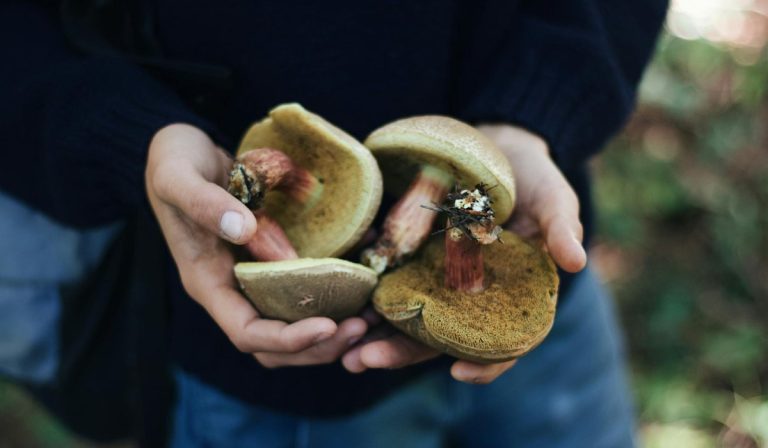
Foraging is often described as a way to find free food. But that misses the point.
The real value of foraging is what happens while you’re looking. You start paying attention to plants, seasons, places and the food growing around you.
And in a world where food has never been easier to buy, that connection might be more valuable than the food itself.
We’ve Lost Our Connection to Food
Walk into a supermarket and you can buy food from almost anywhere in the world. Strawberries in winter. Mangoes all year. Herbs in plastic packets. Meals designed to be opened, heated and eaten.
It is an extraordinary system, but there is a trade-off. The easier food becomes to access, the easier it becomes to forget where it came from.
Most of us rarely see the soil, weather, season or work behind what we eat. Food arrives finished. The landscape that produced it has been edited out.
Over time, that distance changes how we see food. Nature becomes background scenery rather than something that feeds us. Seasons become less noticeable because the same foods are available all year. We learn to trust packaging and labels, while becoming less familiar with our own senses.
It isn’t that modern food is bad. It is efficient, convenient and remarkably reliable. But convenience has a cost.
And when food becomes something that simply appears, we can lose a quiet sense of participation in it. This is one reason foraging is worth doing. It puts you back in the picture.
Foraging Changes What You Notice
The first thing foraging gives you isn’t food. It’s attention.
A plant that was once just another patch of green becomes something you recognise. You start noticing its leaves, flowers, smell, texture and habitat.
Then something interesting happens.
You begin seeing it before you need it. You notice when the nettles appear. When the elderflowers open. When the blackberries begin to ripen. When the first sloes start changing colour.
The landscape stops being static. It starts becoming a calendar. And once you begin paying attention to one plant, you naturally start noticing others.
This is one of the quiet pleasures of foraging. You are not simply learning names. You are learning to see.
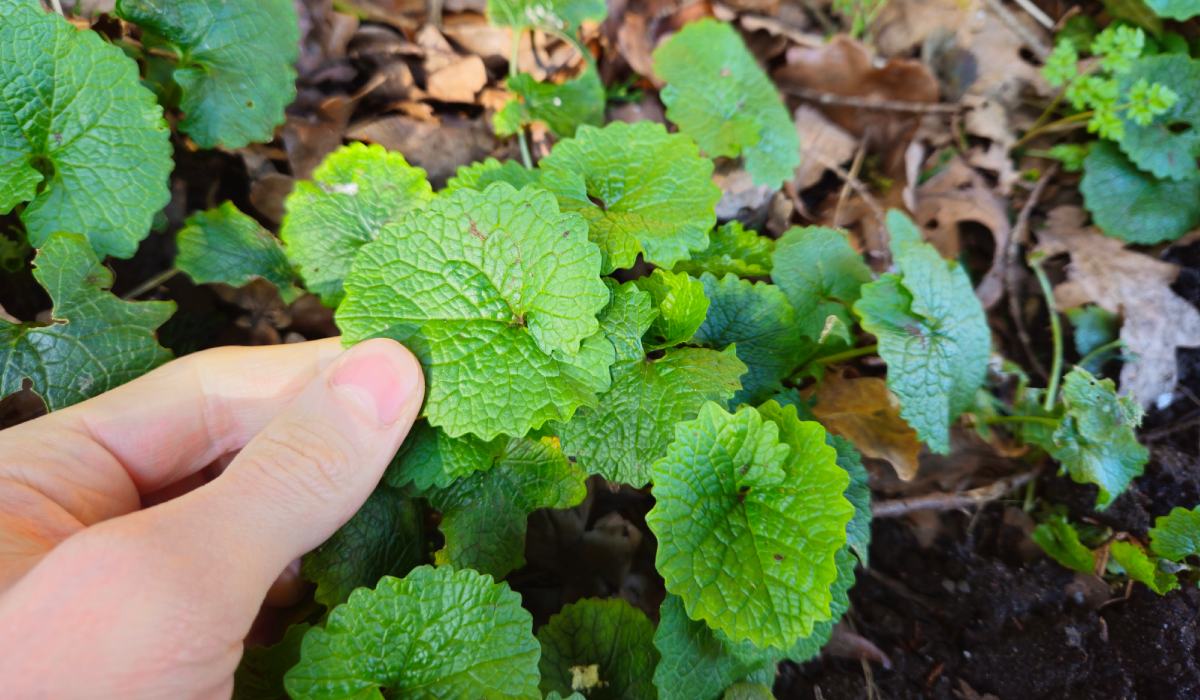
Food Becomes Connected to a Place
There is a difference between eating a blackberry and finding one.
The supermarket blackberry has a price, a label and a use-by date.
The wild blackberry has a place. You know the hedge it came from. You remember whether the berries were small or enormous that year. You remember how much rain there had been. You know which ones were sweet and which ones were still sharp.
The food carries a little bit of its surroundings with it, and that changes the experience of eating.
A handful of wild greens is no longer just an ingredient. It becomes something you recognised, identified, gathered and brought home.
The effort is small, but the involvement is significant.
Learning to Trust Yourself
There is another benefit that is easy to overlook.
Foraging teaches judgement. You learn that knowing a plant means more than knowing its name. You need to recognise it at different stages, understand where it grows, know what part is useful and recognise when it is best left alone.
You learn to question yourself.
Am I certain? Is this the right plant? Is this the right stage? Is this a suitable place to pick it?
That habit is valuable. With enough practice, knowledge stops being something you simply remember. It becomes something you can apply. You start trusting your observations because you have tested them repeatedly in the real world.
And that changes your relationship with food, too. You become less dependent on packaging, branding and instructions because you have developed your own ability to observe, question and decide.
A photograph can help you learn a plant. Experience teaches you how to know it.
You Don’t Have to Reject Modern Life
This is where I think foraging is often misunderstood.
You don’t need to grow all your own food. You don’t need to stop shopping in supermarkets. And you don’t need to become self-sufficient, make your own bread and keep chickens.
Foraging can sit comfortably alongside modern life.
You might gather some wild garlic in spring, pick a few blackberries in late summer, collect nettles for soup or make something with a handful of elderflowers.
The rest of your food can still come from the shops. The point isn’t purity. It is participation.
Even a small amount of wild food can change the way you think about the rest of what you eat.
The Real Reward Isn’t What You Bring Home
This might be the most important part. If you judge foraging by how much food you collect, you miss much of what makes it valuable.
You might walk for an hour and come home with almost nothing. And still have had a worthwhile walk.
Because you noticed the plants. You learned something. You saw what was flowering. You recognised a plant you couldn’t identify six months ago. You noticed that a familiar species had appeared in a completely different habitat.
Perhaps you even realised that the season had moved on before you had consciously noticed it.
The food is part of the reward. It isn’t the whole reward.
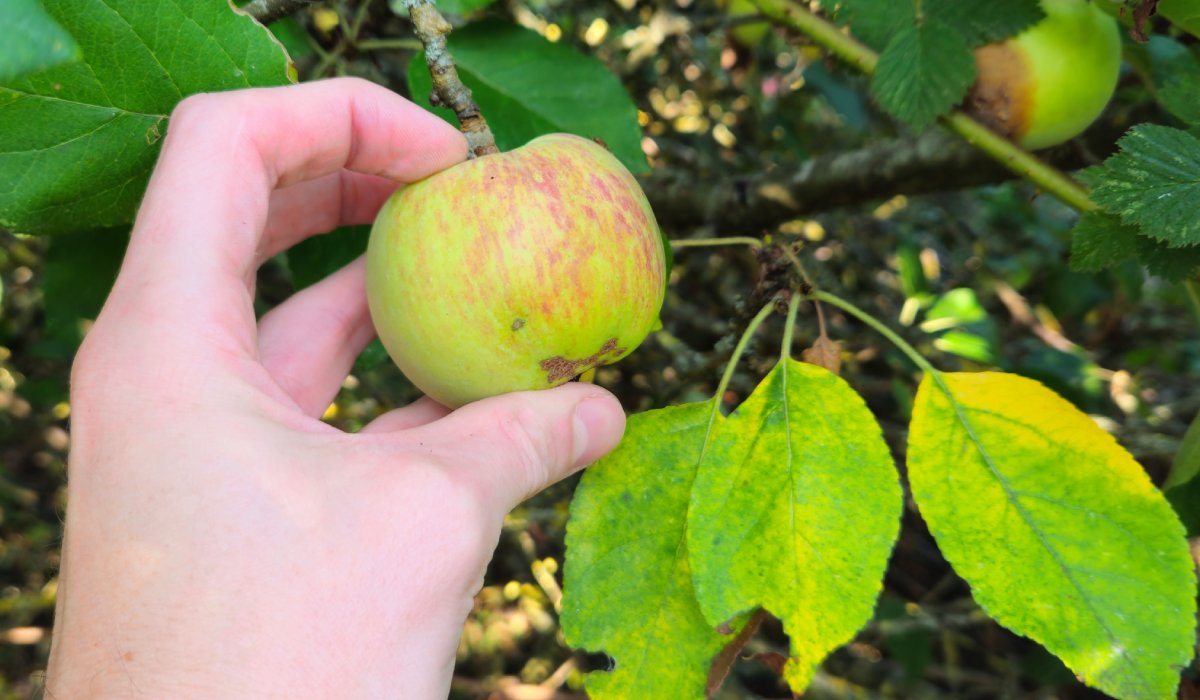
Why Are We So Drawn to Wild Food?
People come to foraging for all sorts of reasons.
Some are interested in flavour. Others want to learn about plants. Some want to spend more time outdoors. Some simply like the idea of finding something edible where they didn’t expect it.
But underneath those reasons is often the same feeling. We want a closer relationship with the world around us.
Foraging gives you a reason to look. And when you look closely enough, the ordinary becomes interesting again.
A roadside verge isn’t just a verge. A hedgerow isn’t just a boundary. A patch of grass isn’t just something to walk past.
There are plants there. Seasons there. Food there. Stories there.
You just have to learn how to notice.
You Don’t Need to Forage Everything
There is also freedom in realising you don’t have to turn foraging into a full-time pursuit.
Learn one plant. Get to know it properly. Find out where it grows. Learn its identifying features. Notice when it appears and how it changes through the year. Understand when it is useful and when it is better left alone.
Then learn another.
Over time, those individual relationships begin to connect. You stop seeing isolated plants and start seeing a living landscape. That is when foraging becomes much more than finding free food.
Where to Start
You don’t need to change your life to start foraging.
You need to become curious about one plant growing somewhere you already go.
Learn how to start foraging and make safe and responsible foraging the foundation of everything you do.
Start slowly. Identify carefully. Take only what you need. And most importantly, pay attention.
Because the biggest thing foraging gives you isn’t a basket full of wild food. It is a different way of seeing the place you already live.
And once you start seeing it, it becomes very difficult to go back to not noticing.


3 thoughts on “Why Foraging for Wild Food Is Worth It”
Hi can you tell me more about Burdock plant and how you can drink it and make tea thanks
Dear Alvaro
Thank you for sending me your article.
My heart sang along your words, as I feel the same way.
Personally I would love to know more about our native plants, weeds, herbs and flowers which we can feed on. Yes we are surrounded by ‘supermarkets” brimming with foods from all over the world at our convenience, but I’d love to learn my way along the hedgerow, woodlands, gardens, and know what to look for, what to grow in my tiny boat windowboxes.
There is magic all around us 🙂 like Herb Robert <3
Yasmin, I’m glad you enjoyed it. There is so much food around us to be discovered, but our society has lost contact with the wild! It’s time to reconnect.