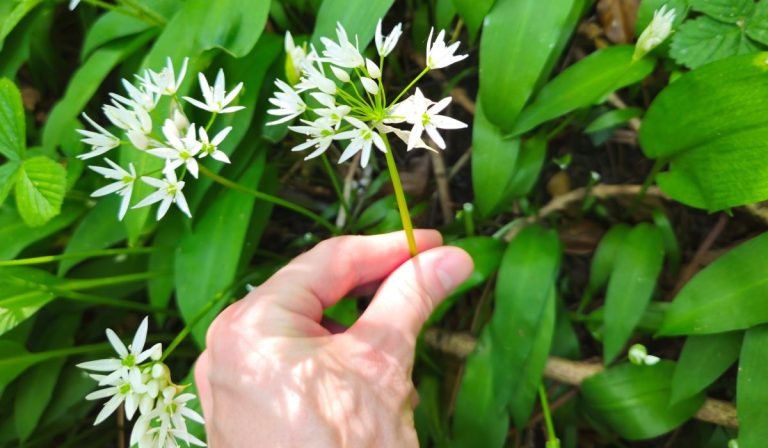
Foraging isn’t just about free food—it’s about freedom. Stepping outside, tuning into nature, and discovering the hidden edible wild plants around you.
In a time when supermarket shelves dictate what we eat, foraging offers a way to reconnect with nature, nourish ourselves, and embrace a more sustainable lifestyle.
If you’ve ever wondered how to start foraging or learn wild food identification, this guide will help you get started safely, sustainably, and mindfully.
What is Foraging?
At its core, foraging is gathering wild food—plants, fruits, nuts, fungi, and seaweed that grow naturally, without human cultivation.
But it’s more than just harvesting wild food. Foraging offers a deeper connection with the land, promotes sustainability, and enjoy the freedom of understanding where your food comes from.
The British Isles are bursting with local edible plants, often growing right at your doorstep. Whether you’re picking blackberries from a hedgerow or gathering nettles for tea, foraging is all about rediscovering the landscape around you.
Why Foraging?
Modern food systems have moved us away from the deep-rooted knowledge of where our food comes from. So, why turn to foraging?
Wild food is often richer in vitamins and minerals than its cultivated counterparts, and foraging encourages self-sufficiency, mindfulness, and a deep connection with nature. Plus, it’s free—no supermarket required.
Foraging also rewires the way you interact with the world. You start noticing the tiny details—the serrated edges of a leaf, the aromatic scent of a crushed stem, the way seasons shape what’s available. It’s a chance to slow down, be fully present, and experience food in its purest form.
Getting Started: First Steps
If you’re new to wild food foraging, start with these simple steps:
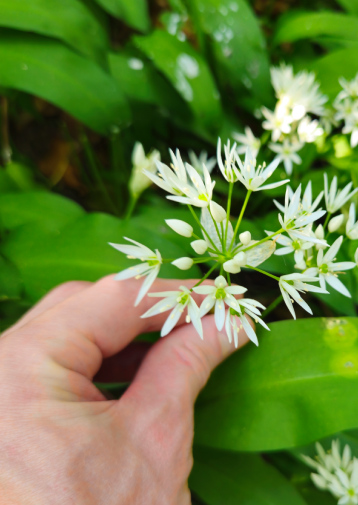
Learn a handful of easy plants first. Confidence builds with familiarity. Begin with unmistakable plants like dandelions, blackberries, and wild garlic. Take the time to notice their leaves, stems, scent, and habitat. This will help you develop a stronger eye for wild food identification.
- Use multiple reliable sources. Skip shortcuts like plant ID apps or social media guesswork. Instead, rely on expert foraging guides and trusted plant databases. The more you learn, the more confident you’ll become.
- Start close to home. Your garden, local parks, and green spaces are full of edible wild plants. No need to head into deep forests to begin your foraging journey.
- Use your senses. Engage your sense of touch, smell, and even taste (only when you’re 100% sure!) to build a lasting memory of each plant.
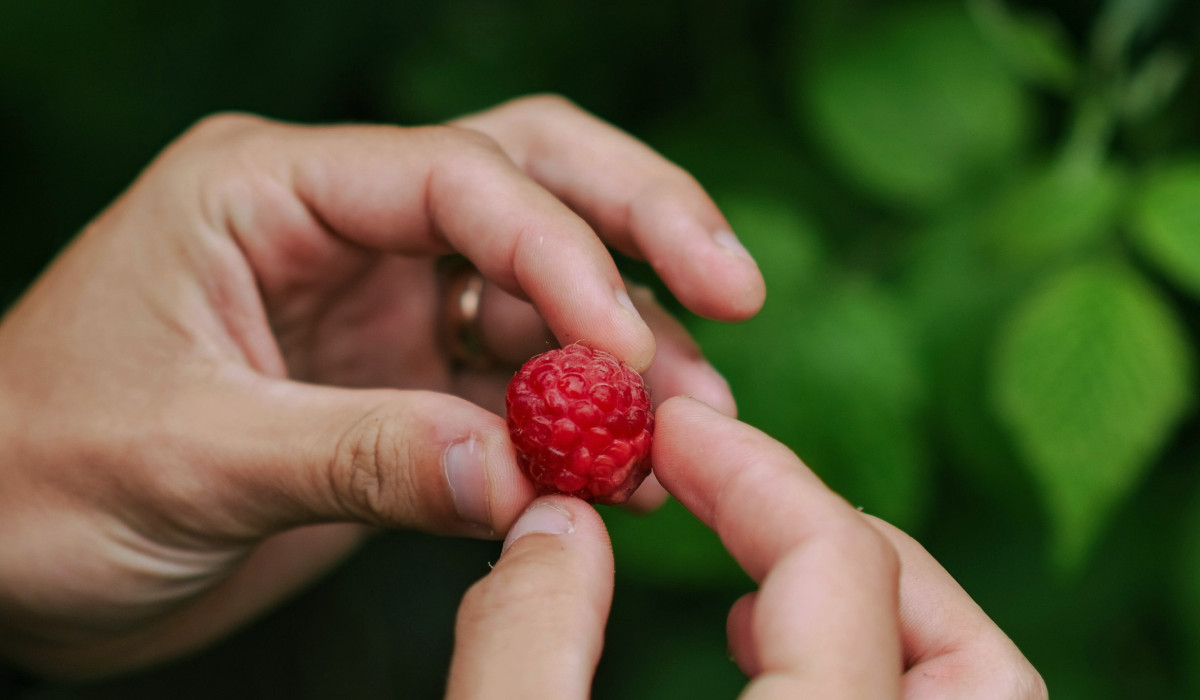
Where to Forage
You don’t need to venture into the wild to discover great foraging spots. Whether you’re interested in urban foraging or venturing into rural areas, here’s where to start:
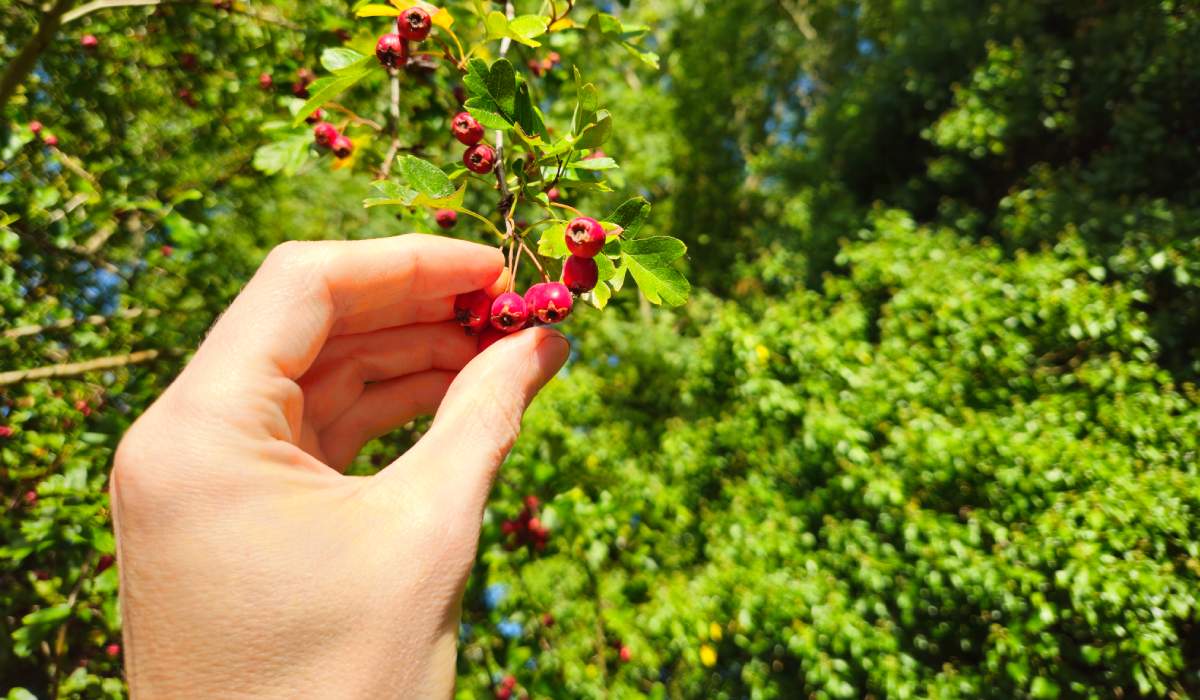
- Hedgerows & Woodland Edges – Blackberries, sloes, elderberries, and edible greens thrive here. Look for wild garlic, nettles, and wood sorrel leaves in spring.
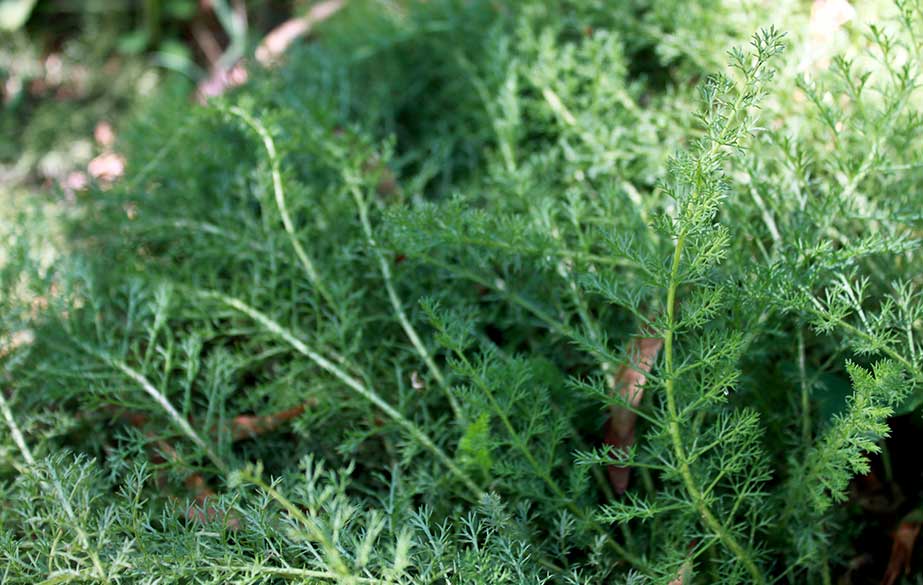
- Meadows & Grasslands – Ideal for wildflowers and herbs such as red clover, dandelion, yarrow, and chickweed.
- Riverbanks & Wetlands – Look for water-loving plants like meadowsweet, water mint, and watercress.
- Coastal Areas – Discover sea beet, wild fennel, sea purslane, and edible seaweed.
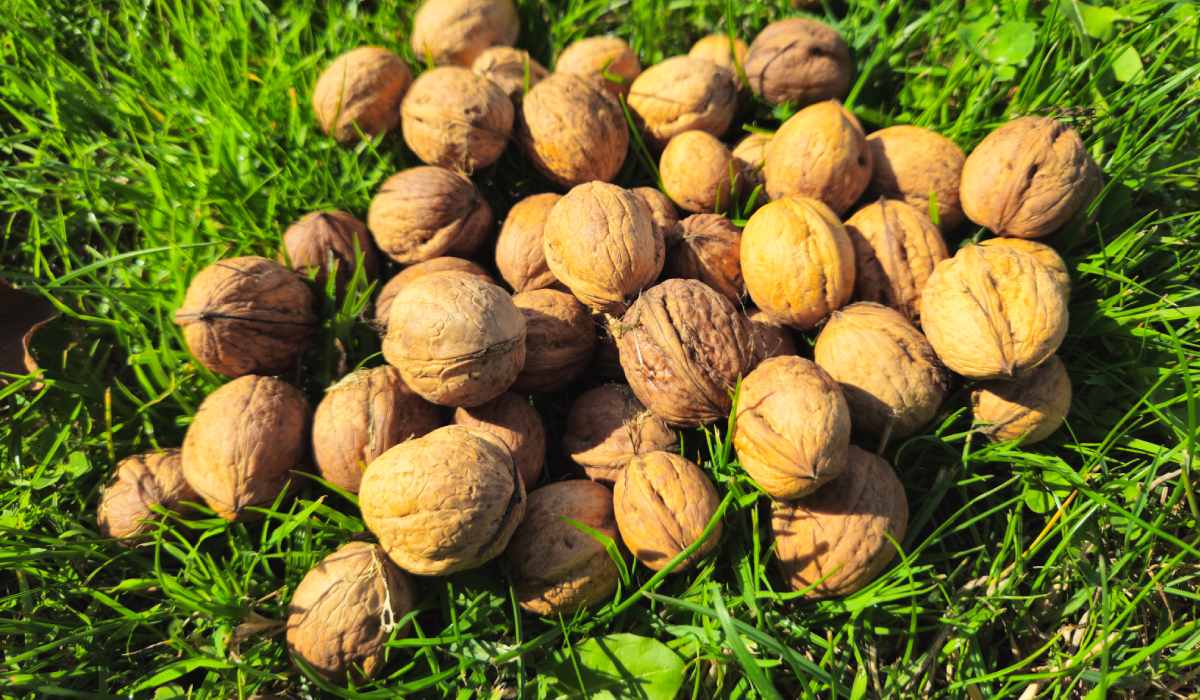
- Urban Green Spaces – Parks, canal paths, and roadside verges are often home to plants like elderflower, dog rose, and garlic mustard, along with trees like walnuts, cherries, and hazelnuts.
How to Start Foraging Safely
Safety is crucial when foraging. Follow these foraging safety tips to ensure you’re gathering food responsibly:
- Be 100% certain before eating anything. If you’re unsure, leave it out.
- Learn toxic lookalikes. Many poisonous plants resemble edible ones. Study their key differences before collecting.
- Forage away from pollution. Avoid foraging near roads, industrial zones, or areas frequently visited by dogs.
- Test wild foods first. If you’re trying a new plant, start with a small amount and be mindful of any potential allergies.
- Follow legal guidelines. Foragers have a responsibility to know and follow the foraging laws in their country. In the UK, it boils down to three main things: access, ownership, and conservation.
Responsible Foraging
Ethical foraging ensures wild food remains abundant for future generations. Here’s how to forage responsibly:
- Harvest sustainably. Only take what you need and avoid over-picking. Make sure to leave plants intact for future growth.
- Know protected species. Some plants and fungi are endangered and illegal to pick. Always check which species are off-limits.
- Respect the habitat. Stick to paths and avoid trampling delicate ecosystems. Never damage the plants or their environment.
- Leave No Trace of Your Visi. Keep it wild—minimise any damage and respect the habitat. Don’t leave a footprint, just a memory.
Mindful Foraging
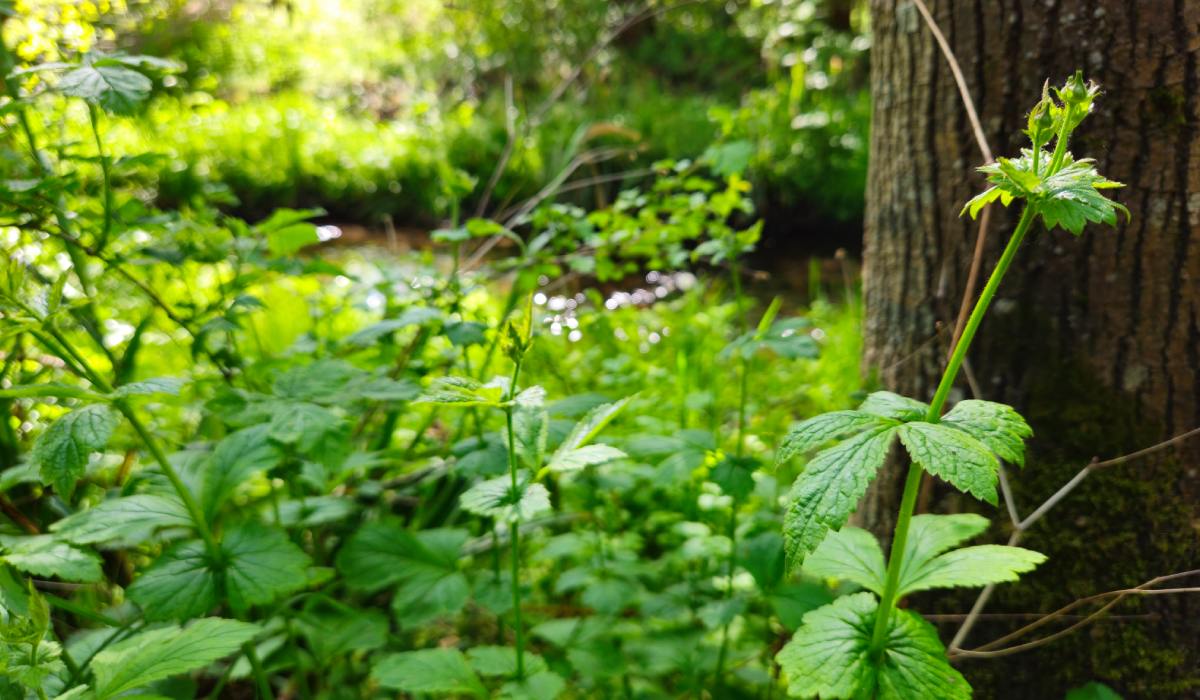
Foraging isn’t just about food—it’s about how you experience nature. Here’s how to make your foraging practice more mindful:
- Slow down. Take the time to observe and appreciate your surroundings instead of rushing through your foraging trip.
- Engage all your senses. Feel the texture of leaves, smell the flowers, and notice how plants change with the seasons.
- Forage without distractions. Put away your phone and immerse yourself in nature.
- Learn the rhythms of nature. Understand the plant’s life cycle—when it emerges, flowers, seeds, and dies back.
- Respect what you harvest. Knowing where your food comes from fosters a deeper appreciation for nature.
Foraging Is A Lifelong Skill
Foraging is a skill for life. It reconnects us with the land, fosters self-sufficiency, and adds rich, seasonal flavours to your meals.
Whether you’re just starting with wild greens or you’ve already started confidently identifying wild mushrooms, every foraging experience strengthens your connection with nature.
For regular foraging tips, seasonal insights, and expert guidance, subscribe to my newsletter below. Step outside, start noticing the world around you, and begin your foraging journey today.